
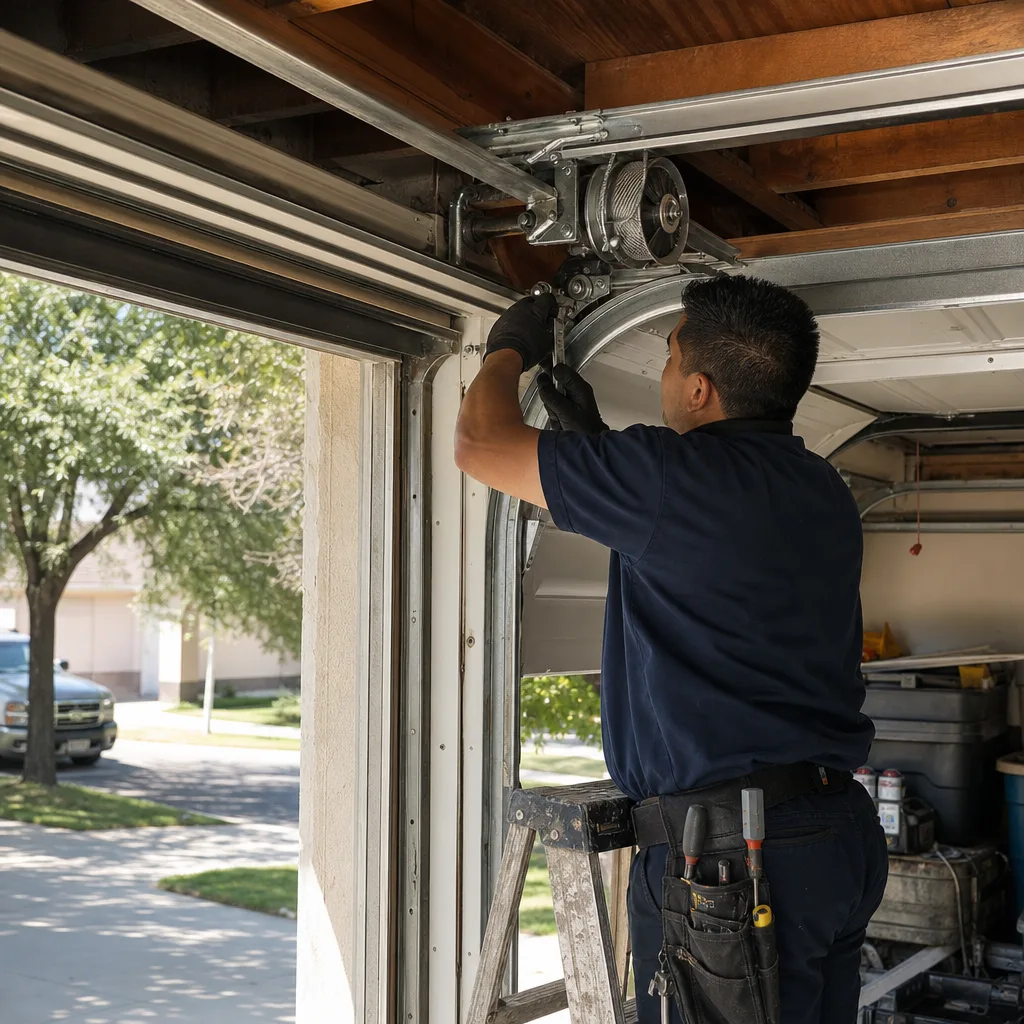
Last updated October 16, 2026
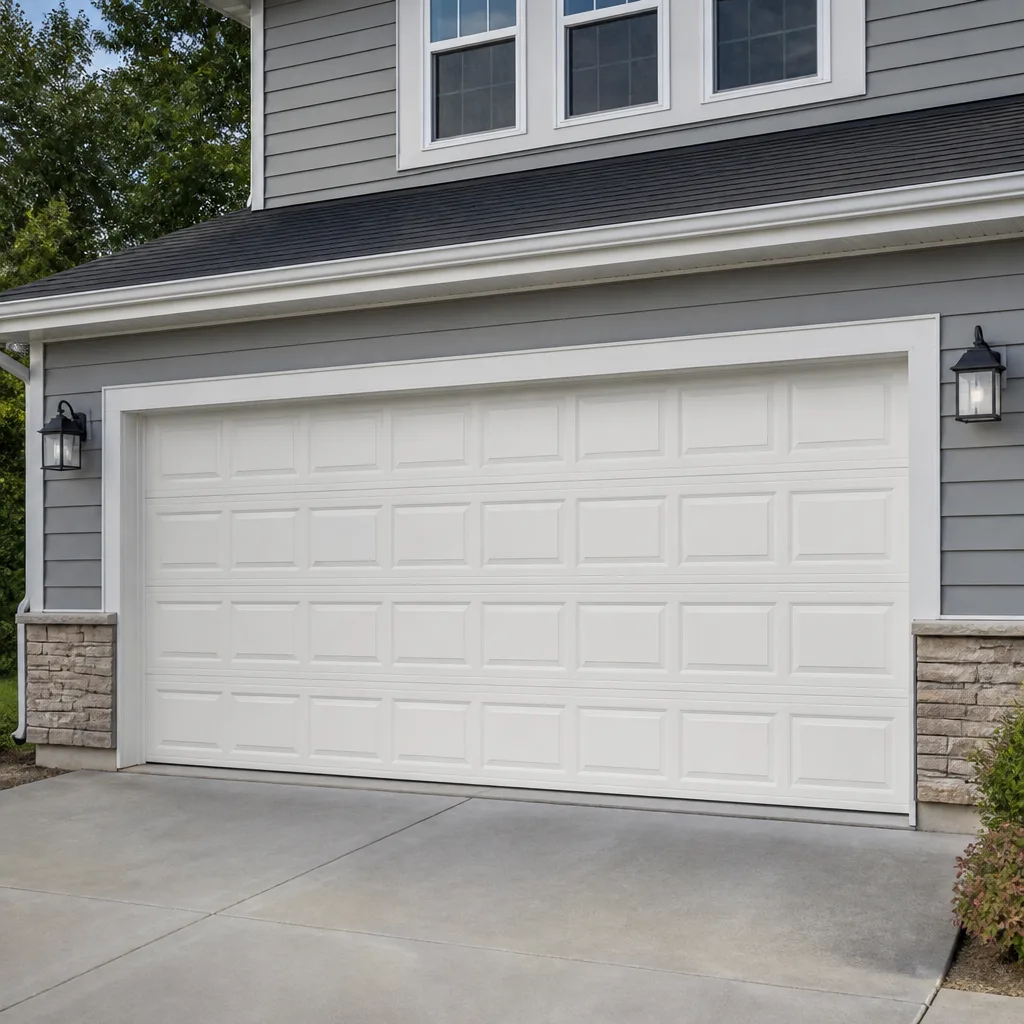 Raised-panel steel
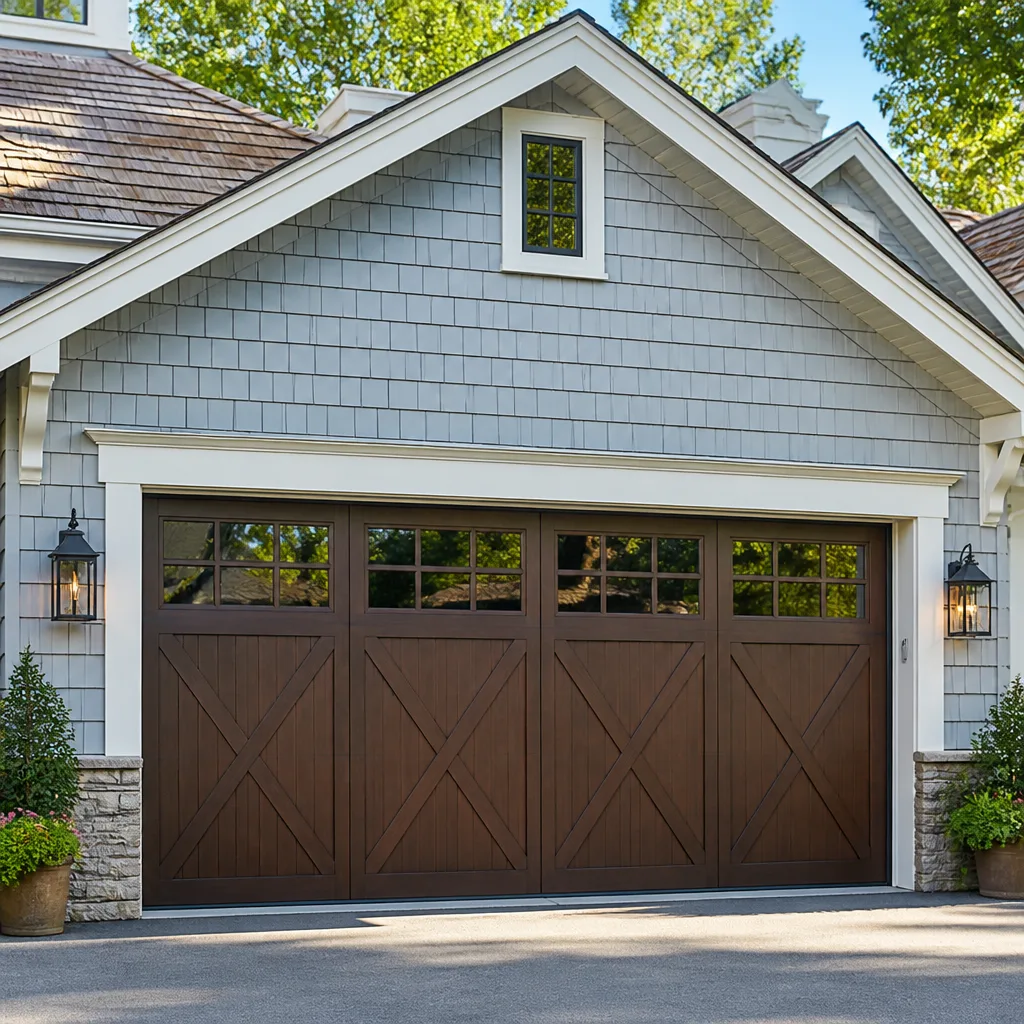 Carriage house
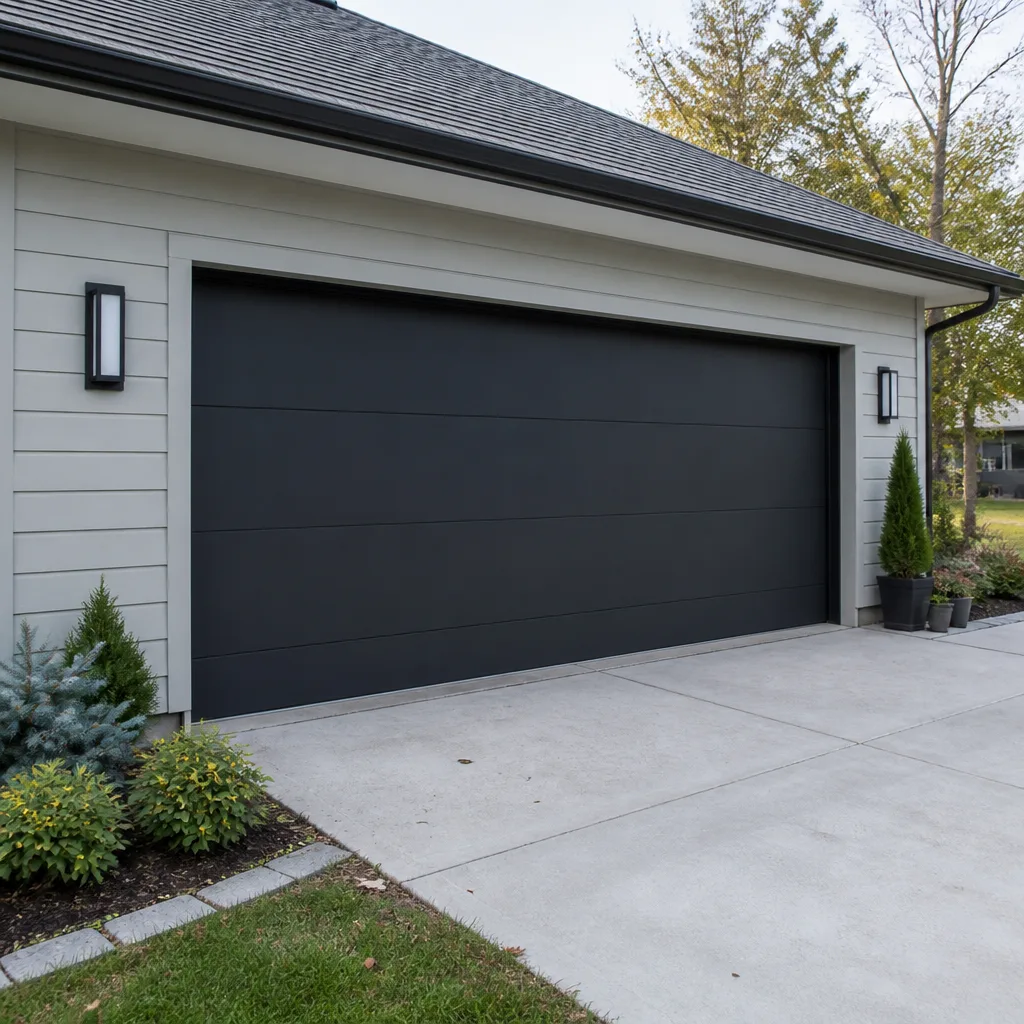 Modern flush
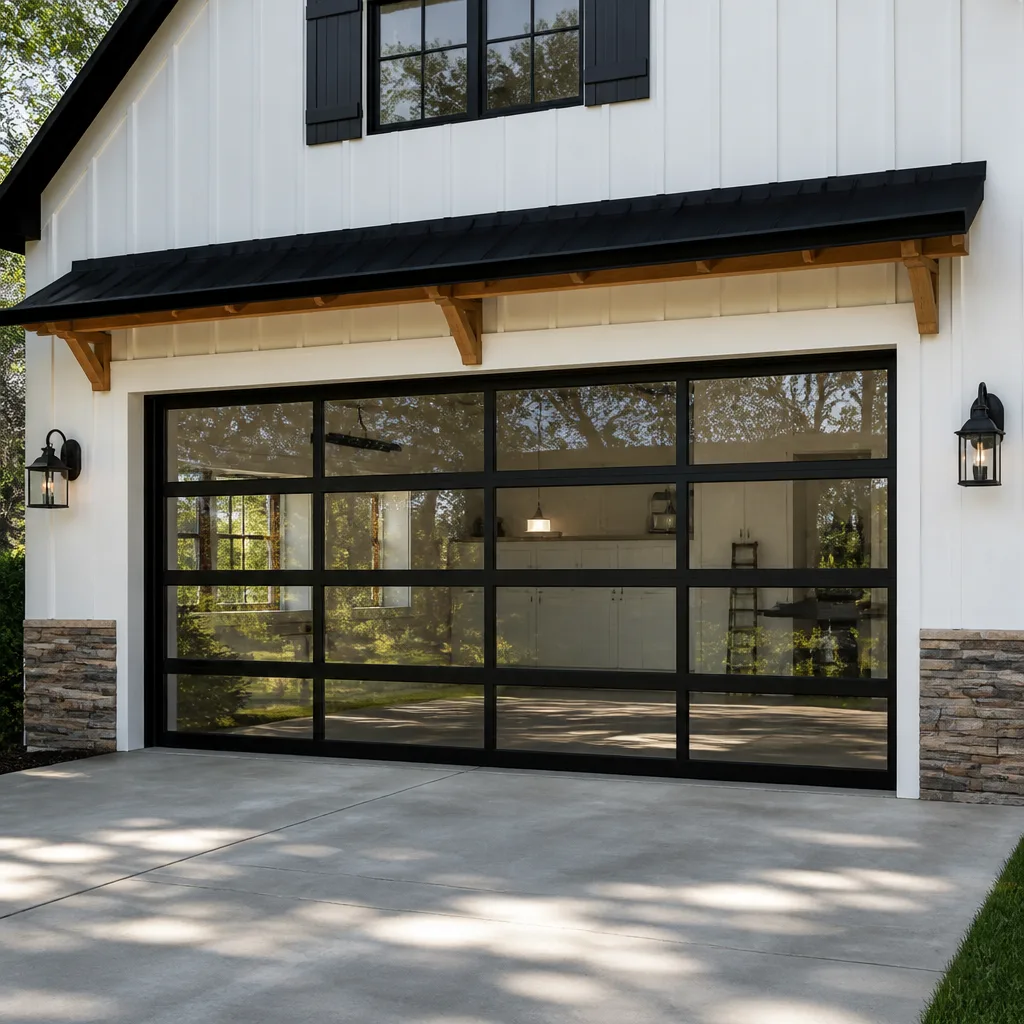 Full-view glass
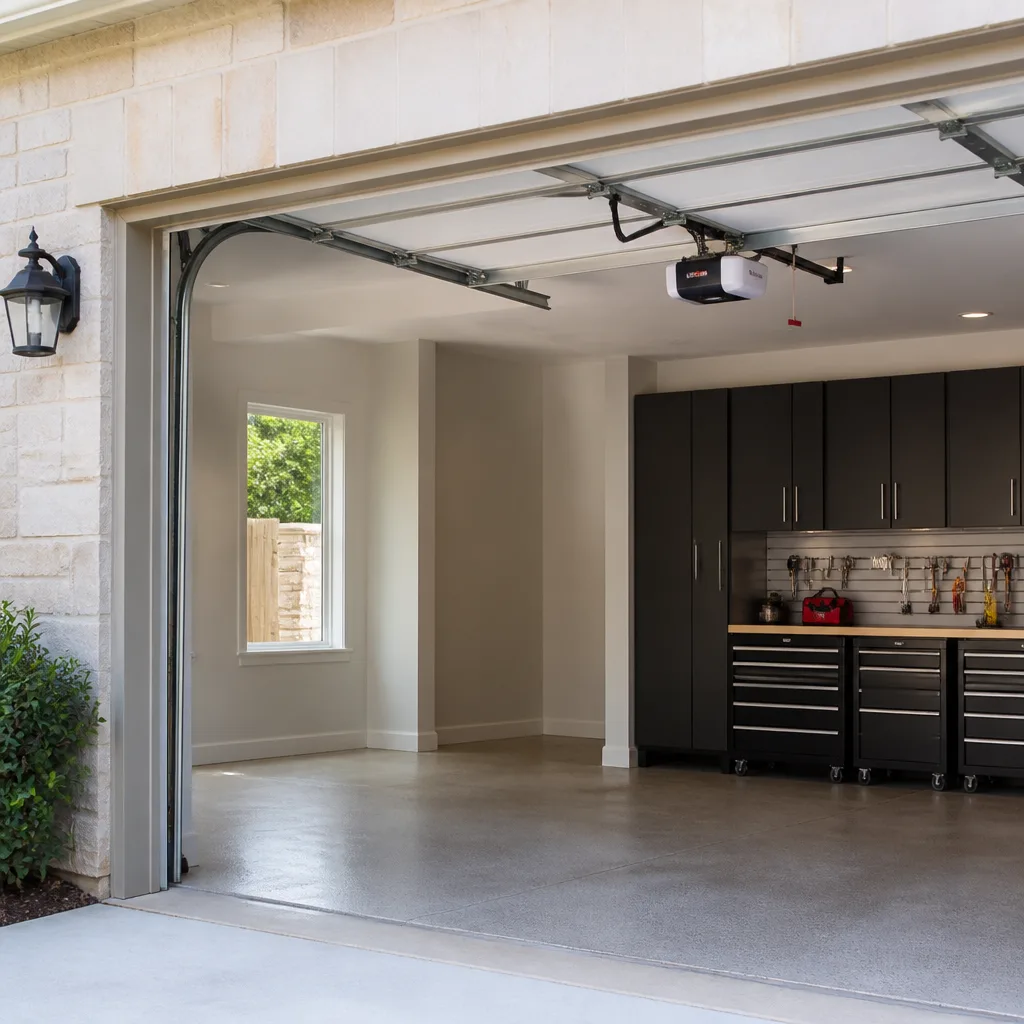 LiftMaster openers
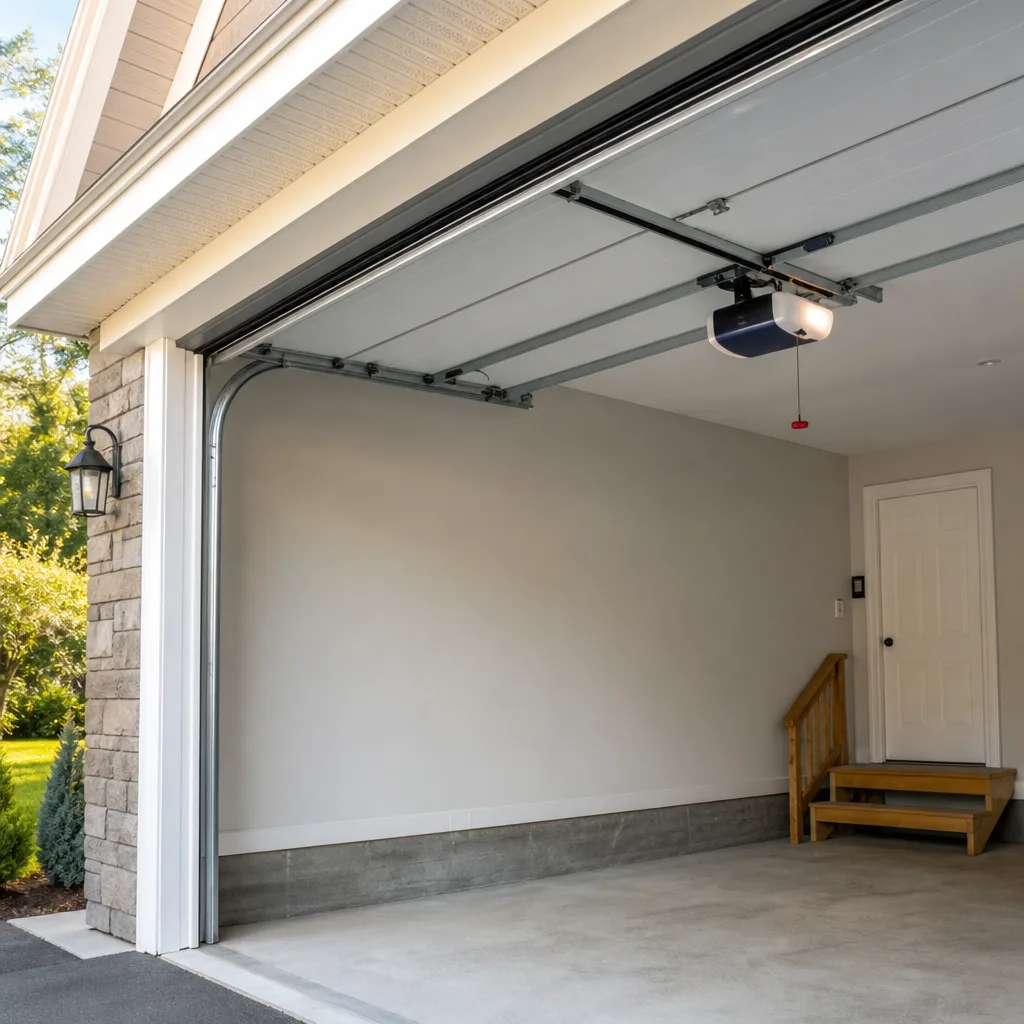 Chamberlain openers
Full 25-point door and opener safety check with every visit - springs, cables, rollers, tracks, and your LiftMaster or Chamberlain opener included
You get a price before we start. It does not change when the truck arrives.
Get your free estimateThe Complete Guide to Garage Door in San Antonio
San Antonio averages 220+ sunny days a year, which sounds great until you realize that relentless UV exposure and 100°F attic temperatures are silently destroying your garage door springs, panels, and weather seals faster than the manufacturer’s warranty assumes. Most garage door advice online is written for national averages, but San Antonio isn’t average. This guide is built around what actually happens to garage doors in this specific climate, housing stock, and regulatory environment, so you can make decisions that last instead of paying for the same repair twice. By the end, you’ll know what your door is doing, why it’s doing it, and how to fix it without getting burned by a bait-and-estimate.
Styles & brands we work with
Quick Answer
Garage door repair in San Antonio typically costs $95 to $450 depending on the component, with spring replacement running $150 to $290 and cable repair falling between $120 and $240. The city’s heat island effect, caliche soil movement, and limestone dust shorten the lifespan of torsion springs by 30 to 40 percent compared to national averages, which means San Antonio homeowners replace springs every 4 to 6 years instead of the 7 to 10 years most manufacturers advertise. A good San Antonio garage door company will give you a written price before work starts, not a verbal estimate that changes once the truck pulls into the driveway. For a detailed breakdown of what to expect, see our Garage Door Cost Breakdown: The San Antonio Homeowner’s Reference for 2026.
Table of Contents
- What San Antonio’s Climate Does to Your Garage Door
- Garage Door Types by San Antonio Housing Era
- The Real Lifespan of Torsion Springs in San Antonio
- San Antonio HOA Rules That Affect Garage Door Replacement
- How Much Garage Door Repair Costs in San Antonio
- How to Get a Written Price Before Anyone Shows Up
- Common Mistakes to Avoid
- When to Call a Professional
- Frequently Asked Questions
- The Bottom Line
What San Antonio’s Climate Does to Your Garage Door
San Antonio sits in a weird climate pocket. We’re far enough inland to avoid Gulf humidity most of the year, but close enough to catch the occasional tropical moisture surge. We get hard freezes every few winters, hundred-degree summers every single year, and limestone dust that works its way into every moving part. None of this shows up in a manufacturer’s spec sheet.
The heat island effect is real here. Downtown San Antonio and the dense neighborhoods surrounding it, Alamo Heights, Olmos Park, parts of the Medical Center, run 5 to 7 degrees hotter than the surrounding Hill Country. Your garage door absorbs that heat all afternoon, then releases it into an already 100-degree attic. The steel panels expand and contract daily through a wider temperature swing than doors in Dallas or Houston experience, and over time that thermal cycling loosens hinges, warps panels, and dries out lubrication.
Then there’s the caliche. San Antonio sits on a layer of calcium carbonate that’s harder than concrete in dry weather and sticky as clay when it rains. As it cycles between wet and dry, the soil shifts in ways that don’t happen in North Texas or coastal cities. Your garage floor may have hairline cracks that move a fraction of an inch seasonally. That movement shifts the door tracks just enough to throw off the balance, which puts extra load on the springs, which shortens their life. We see this in homes across the city, from older Castle Hills properties to newer builds in Cibolo and Converse.
What does this mean for you? Your garage door needs more frequent lubrication, earlier spring replacement, and weather seals that get checked every spring. The national advice says inspect your door yearly. In San Antonio, do it twice, once in April before the heat hits and once in October before the first freeze.
Garage Door Types by San Antonio Housing Era
San Antonio’s housing stock spans 150 years, but most homes fall into three construction waves, and each wave has its own garage door problems. Knowing which era your house belongs to tells you what to expect on your next repair bill.
1970s-1980s Ranch Homes: North Central, Churchill Estates, Vance Jackson
These homes were built with single-panel wood or thin steel doors that tilt up instead of rolling up. Many still have their original hardware. The wood doors have been through 50 summers of expansion and contraction, which means warped panels, cracked paint, and rotted bottom rails. The steel doors from this era are only 24-gauge or thinner, and they dent if you look at them wrong. Springs on these doors are usually extension springs, the kind that run along the horizontal tracks, and they’re more prone to snapping than the torsion springs on newer doors.
1990s-2000s Suburban Expansion: Stone Oak, Timberwood Park, Sonterra
This is the era of the 16-foot-wide, two-car sectional door. Most are 25-gauge steel with polystyrene insulation, and they roll up on torsion springs mounted above the door opening. These doors are the workhorses of San Antonio, and they hold up reasonably well if the springs are replaced on schedule. The weak point is the roller hardware. The nylon rollers that came standard in this era degrade in the heat, and once one roller seizes, it chews up the track. We replace more roller sets in Stone Oak and Encino Park than anywhere else in the city.
2010s-2020s New Construction: Alamo Ranch, Westpointe, Bulverde Village
Newer doors look great on day one, but they’re often the cheapest model the builder could source. Steel panels, yes, but thin, 26-gauge or 27-gauge, with minimal insulation and builder-grade hardware. The doors comply with code and nothing more. The good news is that they’re standard sizes, so upgrading to a heavier door from Marlow Garage Door Repair San Antonio home is straightforward. The bad news is that the original springs on these doors are usually the lowest-cycle springs available, which means they’re done in 3 to 5 years in San Antonio heat.
The Real Lifespan of Torsion Springs in San Antonio
Every garage door spring has a cycle rating, and that rating assumes specific operating conditions. The industry standard is a 10,000-cycle spring, which manufacturers describe as lasting “about 7 years.” That number comes from testing at 72 degrees with moderate humidity, not from real-world use in a San Antonio garage that hits 105 degrees by 3 p.m.
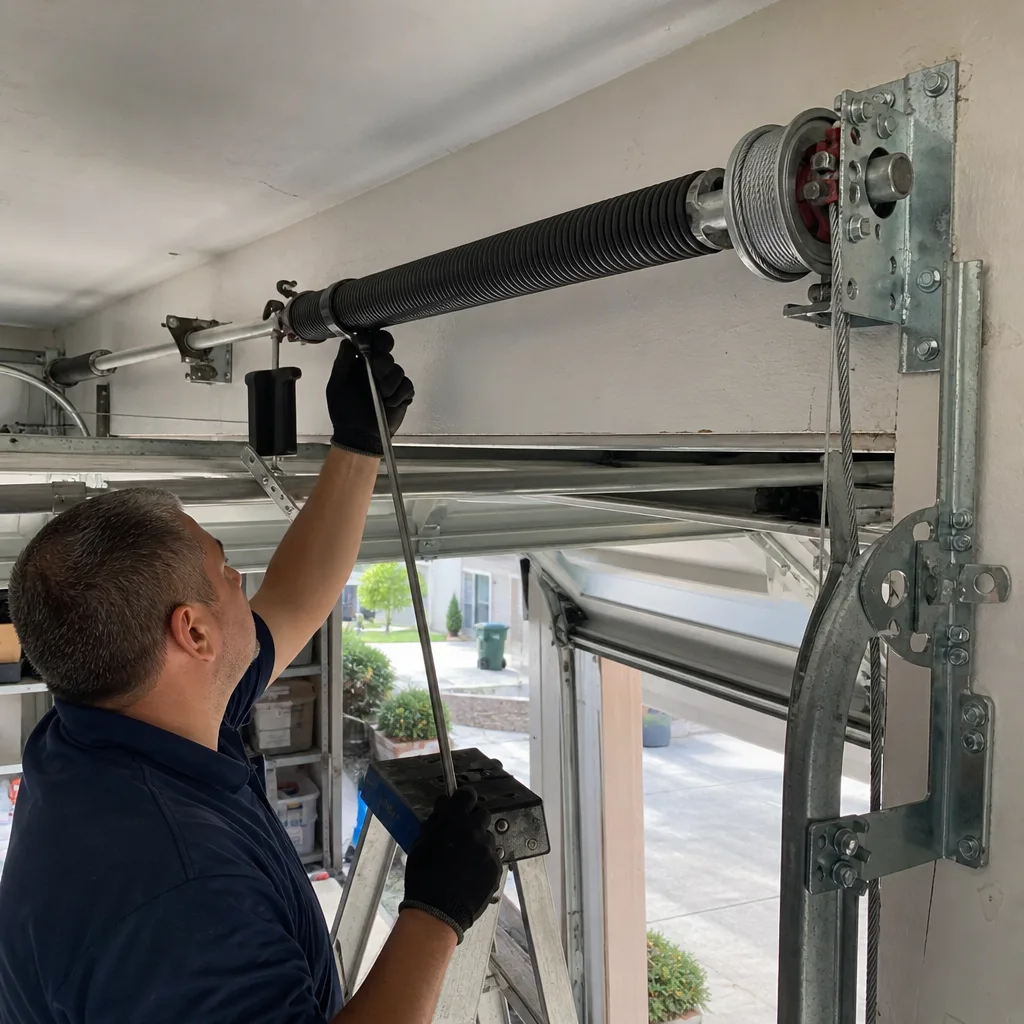
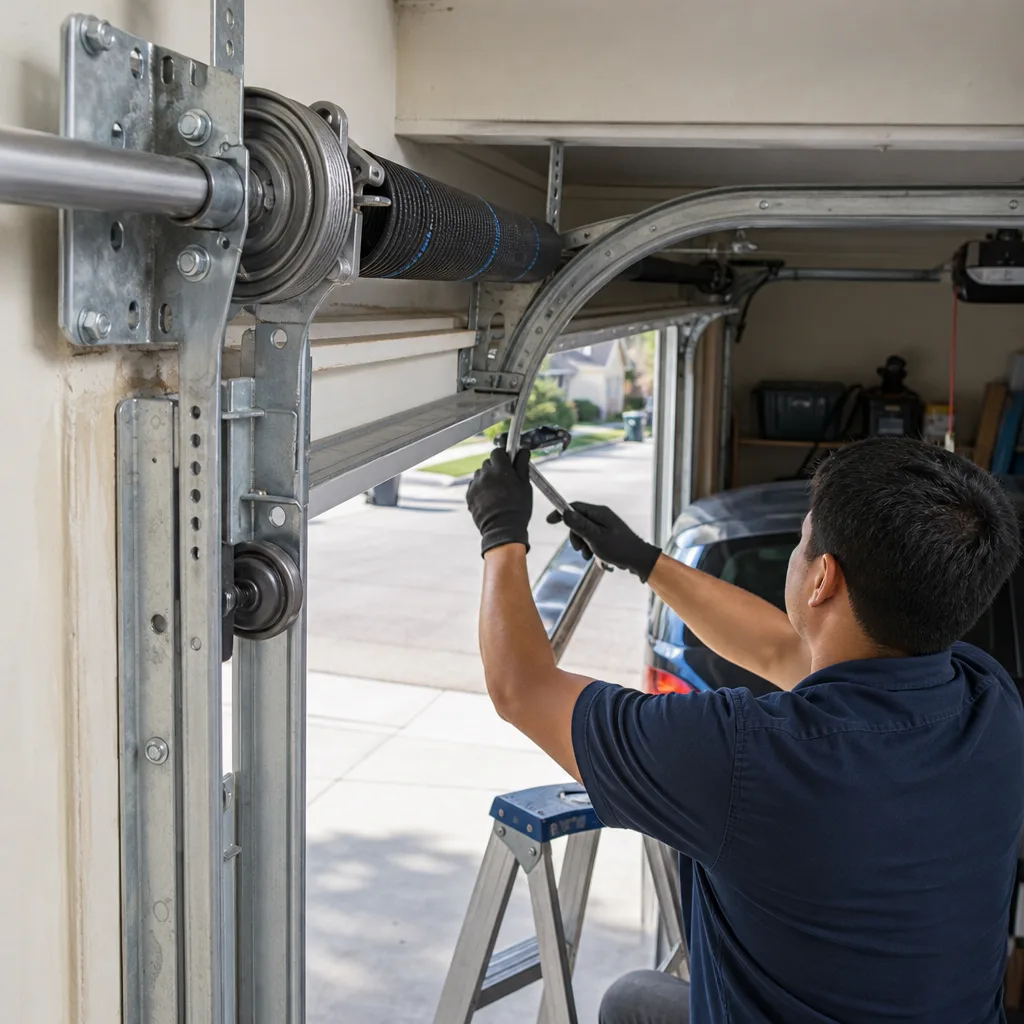
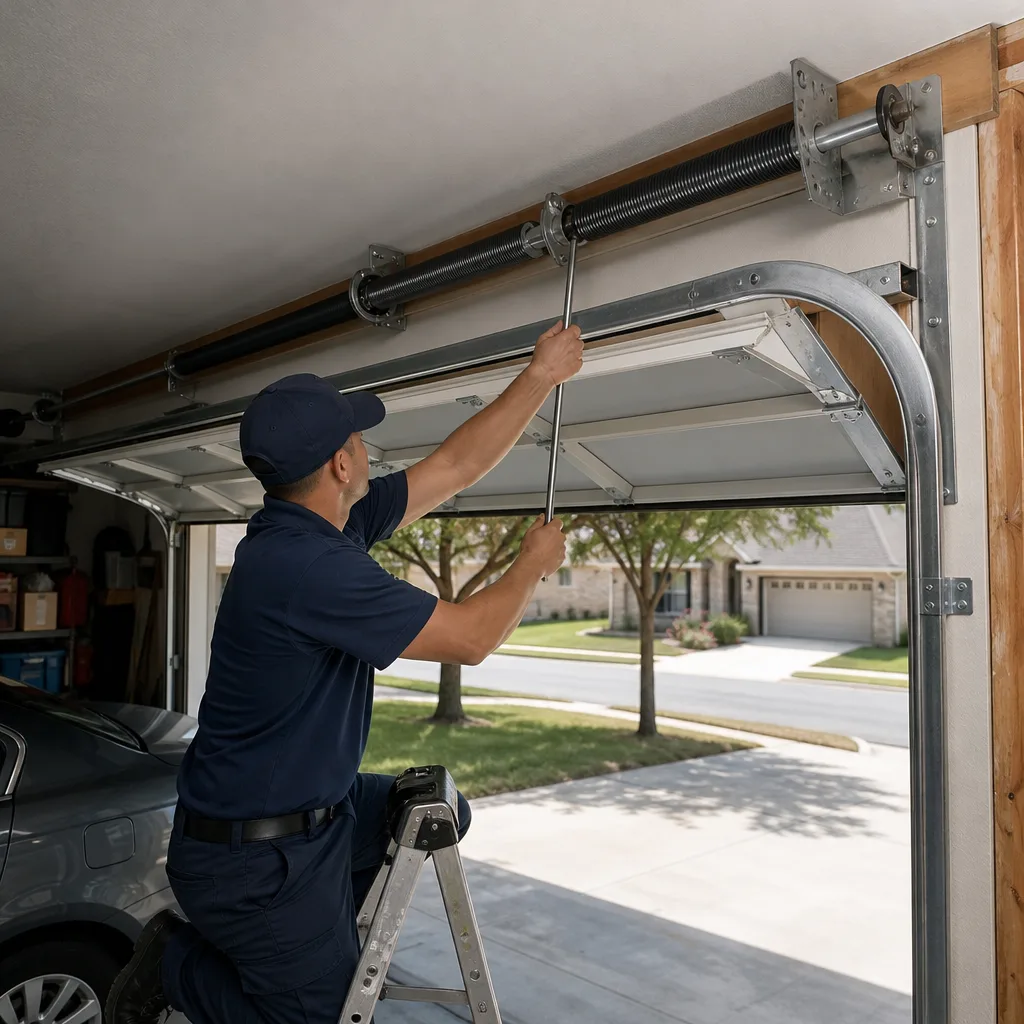
Here’s the plain-language version: a torsion spring is the horizontal coil above your door that does most of the lifting. When you open the door, the spring winds and stores energy. When you close it, the spring unwinds. One open-and-close cycle is one cycle. Heat accelerates metal fatigue, and the inside of your garage gets hot enough to warp plastic bins and soften caulk. A spring that would last 10,000 cycles in a climate-controlled test chamber will fail in 6,000 to 7,000 cycles in a San Antonio garage. If you open your door three times a day, that’s 4 to 5 years between replacements, not 7.
In our experience across San Antonio neighborhoods, we see springs fail fastest in garages that face west or southwest. Those doors absorb direct afternoon heat, and the springs mounted just above them bake all summer. Garages on the north or east side of the house run 10 to 15 degrees cooler inside, and their springs consistently outlast the west-facing ones.
The fix isn’t complicated. When you replace your springs, upgrade to a 20,000-cycle or 30,000-cycle spring. The parts cost a little more, maybe $30 to $50 per spring, but you’re buying years of additional service. For more on this, see our full page on Garage Door Spring Repair in San Antonio.
San Antonio HOA Rules That Affect Garage Door Replacement
If you live in a covenant-controlled neighborhood, your garage door isn’t just your garage door. It’s a piece of the community’s architectural review, and replacing it with the wrong color or panel style can earn you a letter from the HOA. San Antonio has some of the strictest HOA clusters in Texas, and they’re not all where you’d expect.
Shavano Park
Shavano Park enforces warm, earthy color palettes. Tan, beige, warm brown, and muted terracotta are standard. White doors stand out, and not in a good way. Most approved replacements use raised-panel doors in a wood tone or a wood-grain steel finish.
Helotes
Helotes tends toward a Hill Country aesthetic. Wrought iron, stone accents, and carriage-house style doors are common. Panel doors with window inserts in the top section are widely accepted, but flat, modern, full-view glass doors are not.
Schertz and Cibolo
The subdivisions along the I-35 corridor north of the city are a mix. Some have minimal covenants and won’t care what door you install. Others, particularly the master-planned communities, require Architectural Review Committee approval before any exterior change, garage doors included. Check your community’s ARC guidelines before you buy. We can match panel profiles and colors to what your HOA has already approved, which saves you a rejection letter and a re-order.
If you’re unsure whether your HOA has restrictions, call them before you call us, or let us help you navigate the process. We work on doors across San Antonio, and we know which communities require what.
How Much Garage Door Repair Costs in San Antonio
Garage door repair pricing in San Antonio follows a fairly predictable range, and you should be suspicious of any quote that falls far outside it. Here’s what we see across the city for common repairs.
- Torsion spring replacement (both springs): $150 to $290 depending on spring type, door weight, and whether you choose standard or high-cycle springs.
- Extension spring replacement: $120 to $220 for the older ranch-style doors that still use this system. See our Garage Door Cable Repair in San Antonio page for more on this.
- Cable replacement: $120 to $240 for a snapped or frayed lift cable, including parts and labor.
- Roller replacement: $100 to $180 for a full set of nylon rollers, which quiets the door and takes load off the opener.
- Track realignment: $100 to $200 depending on how far out of alignment the tracks have drifted. Caliche soil movement makes this more common here than in most Texas cities.
- Full door replacement: $900 to $3,500 depending on size, insulation, window inserts, and panel material.
These are San Antonio market prices, not national averages. Our prices tend to sit in the middle of these ranges because we quote the job before we show up, which means the number on the invoice matches the number you agreed to. No bolt-on fees, no “we found something else” upsell. If you want a full breakdown of what repairs cost across the city, read our guide on Garage Door Repair in San Antonio.
How to Get a Written Price Before Anyone Shows Up
The most common garage door complaint we hear from San Antonio homeowners isn’t about broken springs. It’s about the price changing once the tech arrives. A company quotes $99 over the phone, then the tech walks in, looks at the door, and suddenly the job is $400. That’s the bait-and-estimate model, and it’s everywhere in this market.
Here’s how to avoid it, and how the Marlow process works step by step.
- Book online or call. You can book through our website in about 60 seconds. If you call, a real person answers 24 hours a day. No voicemail, no callback queue.
- Tell us what’s happening. You describe the problem in your own words. Is the door stuck halfway? Does it make a loud bang when you open it? Does it hesitate and jerk?
- We scope the job from what you tell us. We know which fixes match which symptoms, and we give you a realistic price range for the most likely repair before you commit.
- Your tech arrives with a written price. The tech inspects the door, confirms the issue, and puts a locked price in writing before any wrench turns. If the inspection finds something you didn’t describe, we stop and walk you through it. You approve it first, or we don’t do it.
- You sign off, we fix the door. You see before and after photos. You pay through a digital link. You get a receipt, a warranty, and a door that works.
This is the Relay Visibility Guarantee in action, and it’s the reason we don’t have to do the “trust us” dance with San Antonio homeowners. You see the price, you approve the price, and you never pay a dime more than that number. The 365-Day Done Right Promise backs every repair, which means if anything we fix fails within a year, we come back and make it right for free.
Common Mistakes to Avoid
- Ignoring a slow or jerky door for months. A door that hesitates is a door that’s out of balance. The longer you ignore it, the faster the springs wear and the more likely a cable snaps. San Antonio’s seasonal soil movement makes imbalance worse over time, not better.
- Lubricating with WD-40. WD-40 is a solvent, not a lubricant. It strips the grease off your rollers and tracks, which makes them wear faster. Use a lithium-based garage door grease on the rollers and hinges, and a light silicone on the weather seals.
- Replacing one spring instead of both. Torsion springs are rated for the same number of cycles, and if one snapped, the other is days or weeks behind it. Replacing one spring saves $75 today and costs you another service call next month. Also, never attempt to replace a torsion spring yourself. The tension on these springs is enough to cause serious injury. Let a trained professional handle it.
- Picking a door color without checking HOA covenants. In Shavano Park, Helotes, and parts of Schertz, the wrong color or panel profile gets you a violation notice. Check first, buy second.
- Assuming a new build has good garage door hardware. Builder-grade springs, rollers, and openers are chosen to meet code, not to last. If your home in Alamo Ranch or Westpointe is 3 to 4 years old and the door is already acting up, that’s the reason.
- Waiting to replace weather seals. Cracked seals let heat, dust, and the occasional scorpion into your garage. San Antonio limestone dust is abrasive, and once it works into your tracks and springs, it accelerates wear on everything.
When to Call a Professional
Some garage door jobs are straightforward for a capable DIYer, like clearing debris from the track or tightening a loose bolt. Others are genuinely dangerous and should never be attempted without training. A torsion spring under tension carries enough stored energy to break bones or worse if it releases unexpectedly. Lifting cables can snap and whip. A door that’s come off its tracks can fall on you while you’re working underneath it. If you’re dealing with a snapped spring, a frayed or broken cable, a door off its track, or anything involving the opener’s electrical connections, call a professional. Marlow Garage Door Repair San Antonio offers free estimates in San Antonio: call (361) 314-2738 and we’ll send a background-checked tech with a written price.
Frequently Asked Questions
Spring replacement in San Antonio typically costs between $150 and $290 for both torsion springs, depending on spring type and door weight. You’ll see the exact number before any work starts, and that number is locked. Call (361) 314-2738 for a free estimate.
Most standard springs last 4 to 6 years in San Antonio’s heat, not the 7 to 10 years manufacturers advertise. High-cycle springs, rated for 20,000 cycles or more, typically last 8 to 12 years here.
Yes, spring and cable repairs are usually same-day jobs. We carry the most common parts on the truck, including springs for LiftMaster, Chamberlain, Genie, and other major brands. If a part isn’t on hand, we tell you upfront and schedule the return visit.
It depends on your community. Shavano Park, Helotes, and many master-planned communities in Schertz and Cibolo require Architectural Review Committee approval for exterior changes, including garage doors. Check your community’s covenants before ordering, or call us and we’ll help you match the door to what your HOA already approves.
No. The written price we give you before work starts is the price you pay. If the inspection uncovers a separate issue, we stop, explain it, and get your approval before doing anything else. You never pay for work you didn’t agree to.
Heat causes the metal in your door, tracks, and springs to expand, which tightens clearances and amplifies noise. Dry lubricant and worn rollers both get louder as temperatures climb. A noisy door in July usually means the rollers are wearing out or the door is out of balance. Both are fixable in one visit.
The Bottom Line
Your garage door in San Antonio is fighting a hotter, dustier, more soil-shifting environment than most of the country, and the generic advice online doesn’t account for that. Springs wear out faster, weather seals crack sooner, and track alignment shifts with the caliche under your slab. The good news is that none of this is mysterious once you know what to look for. Inspect twice a year, replace springs on a San Antonio schedule rather than a national one, check your HOA before you buy a door, and never accept a verbal estimate that can change when the truck arrives. For a free, written quote on any garage door repair in San Antonio, call the team at Marlow: (361) 314-2738.
Written by Jaylen Ross, Owner at Marlow Garage Door Repair San Antonio, serving San Antonio since 2002. For more guides & resources, visit our blog.
See the difference
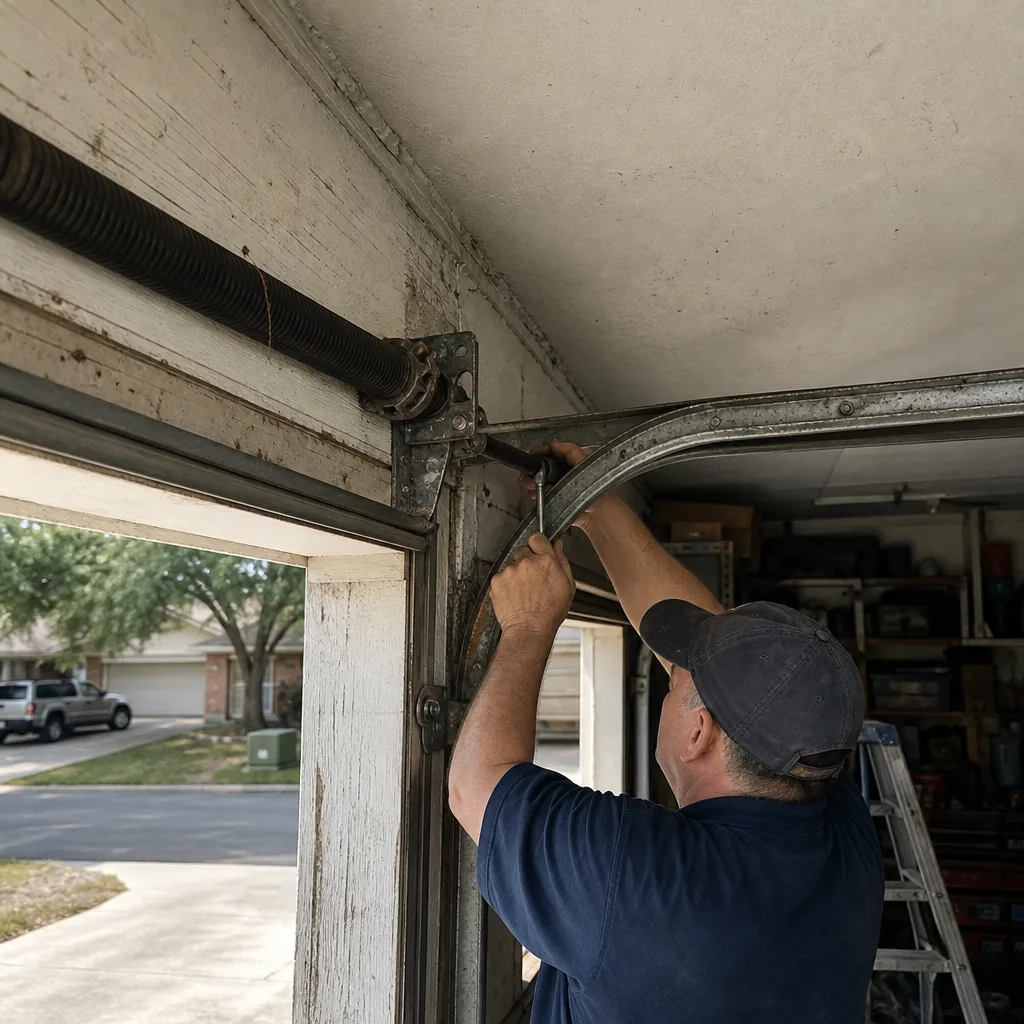 Before
 After
After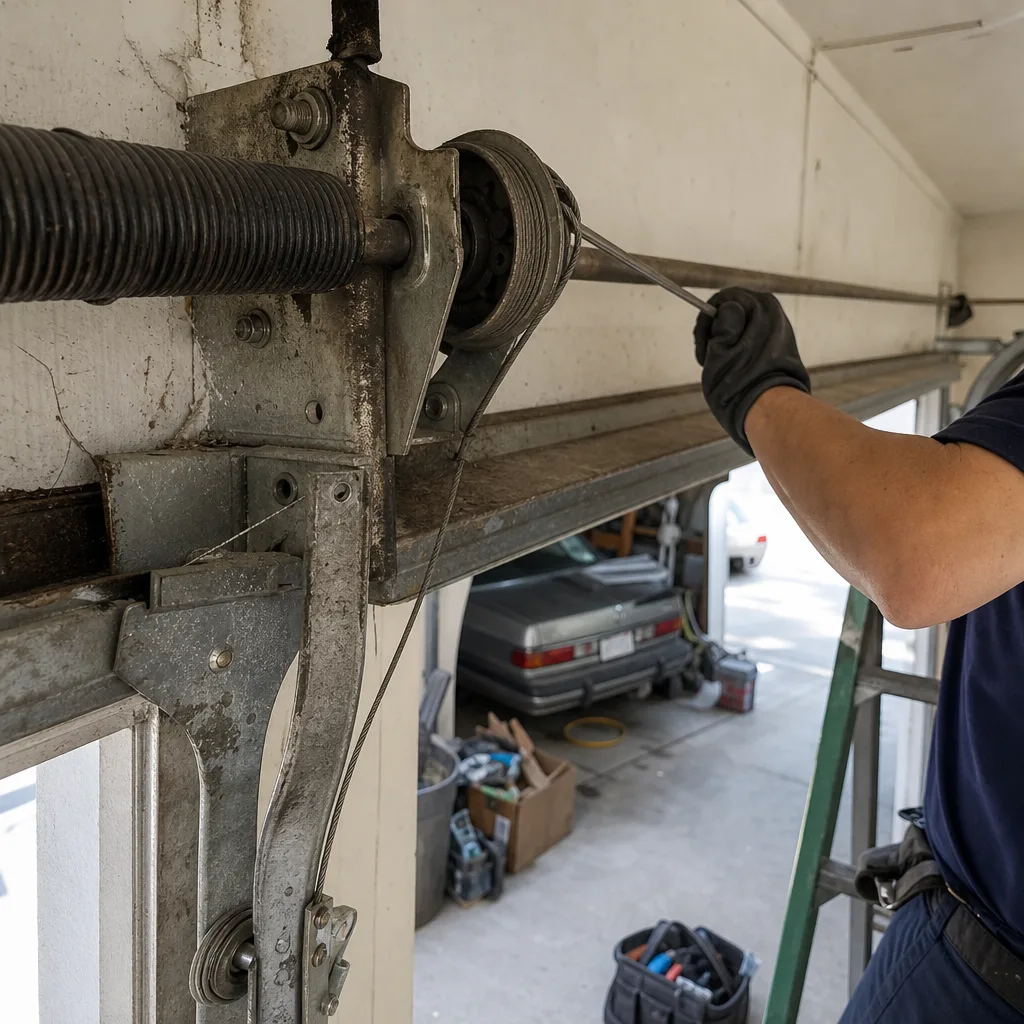 Before
 After
After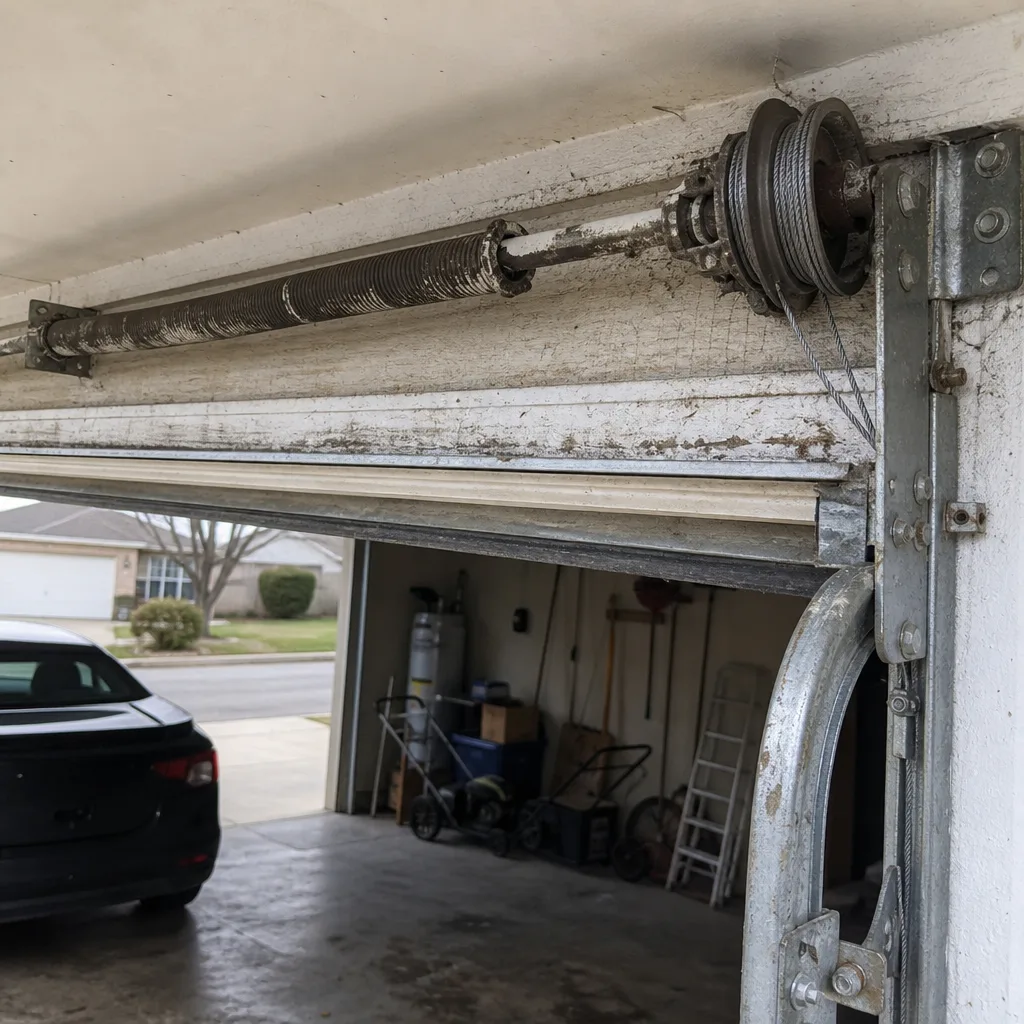 Before
 After
After