
Last updated October 16, 2026
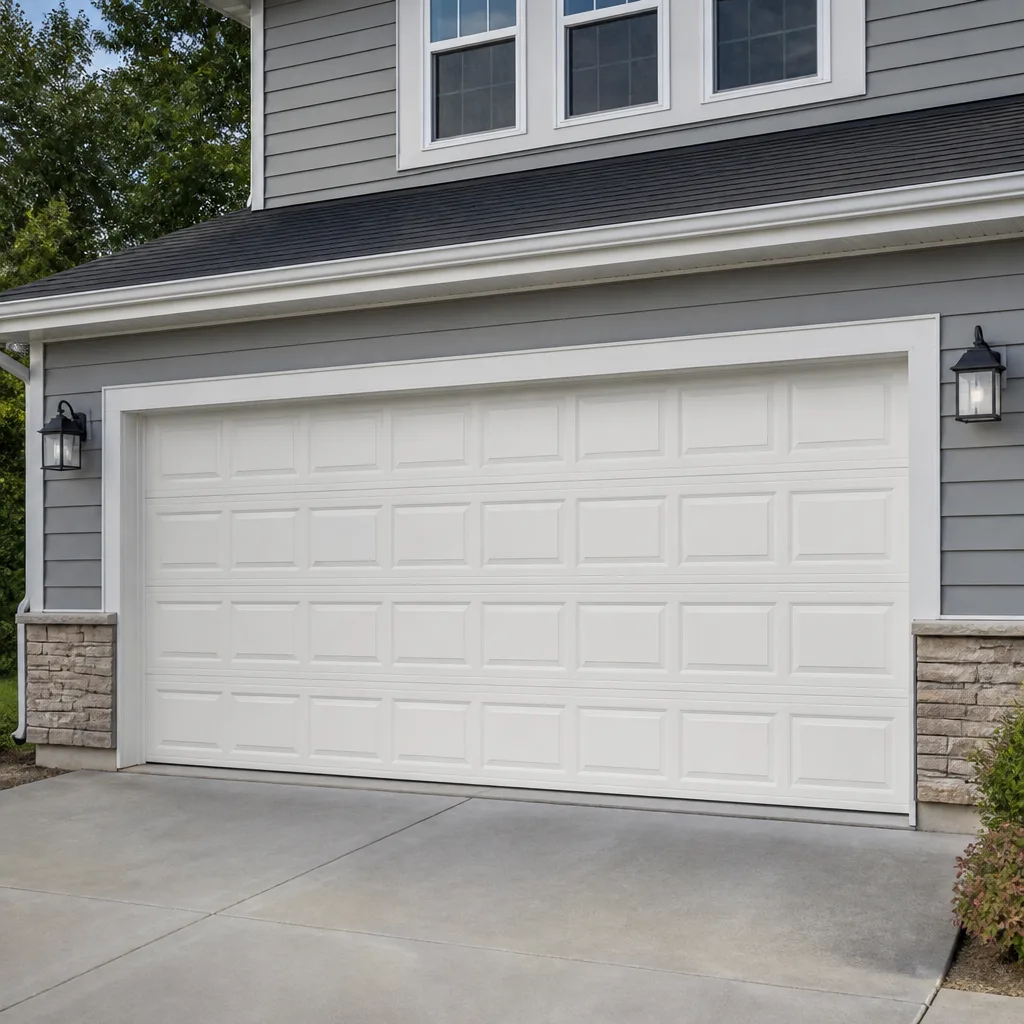 Raised-panel steel
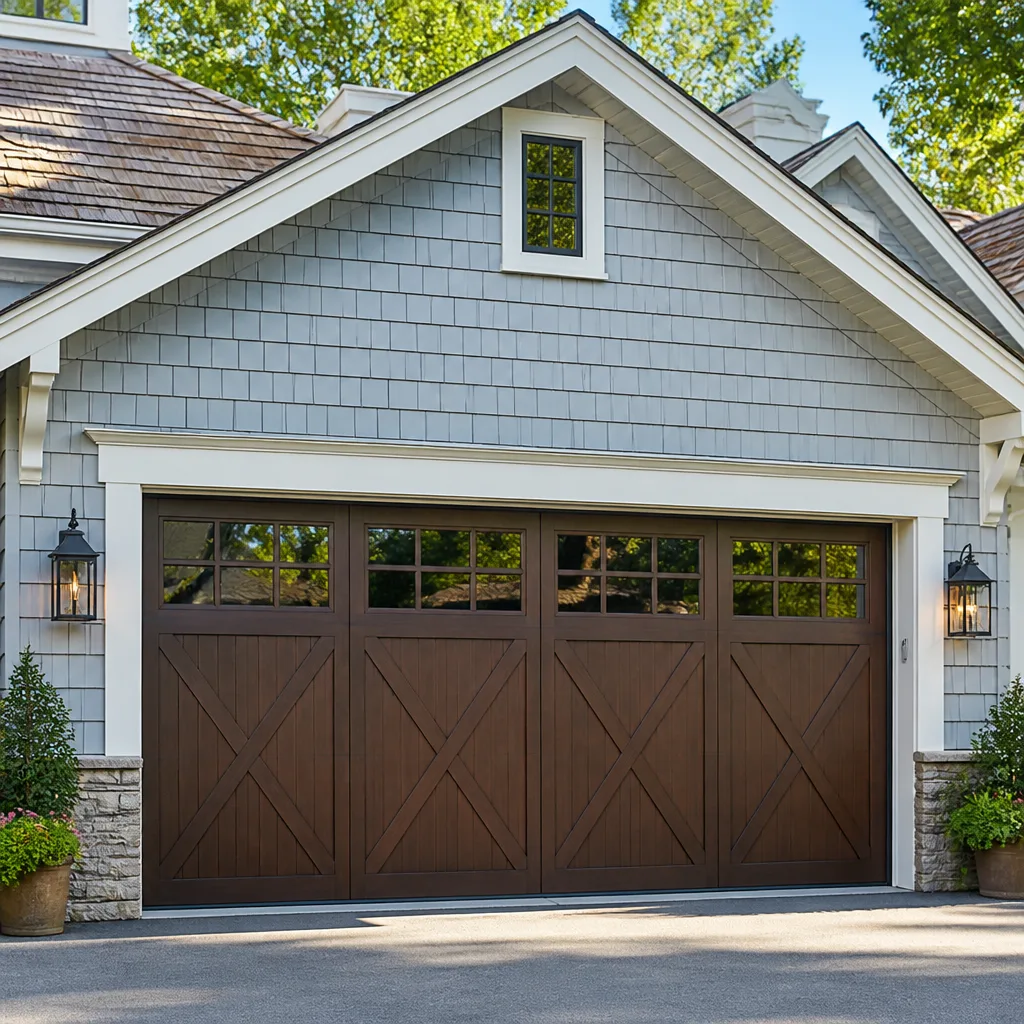 Carriage house
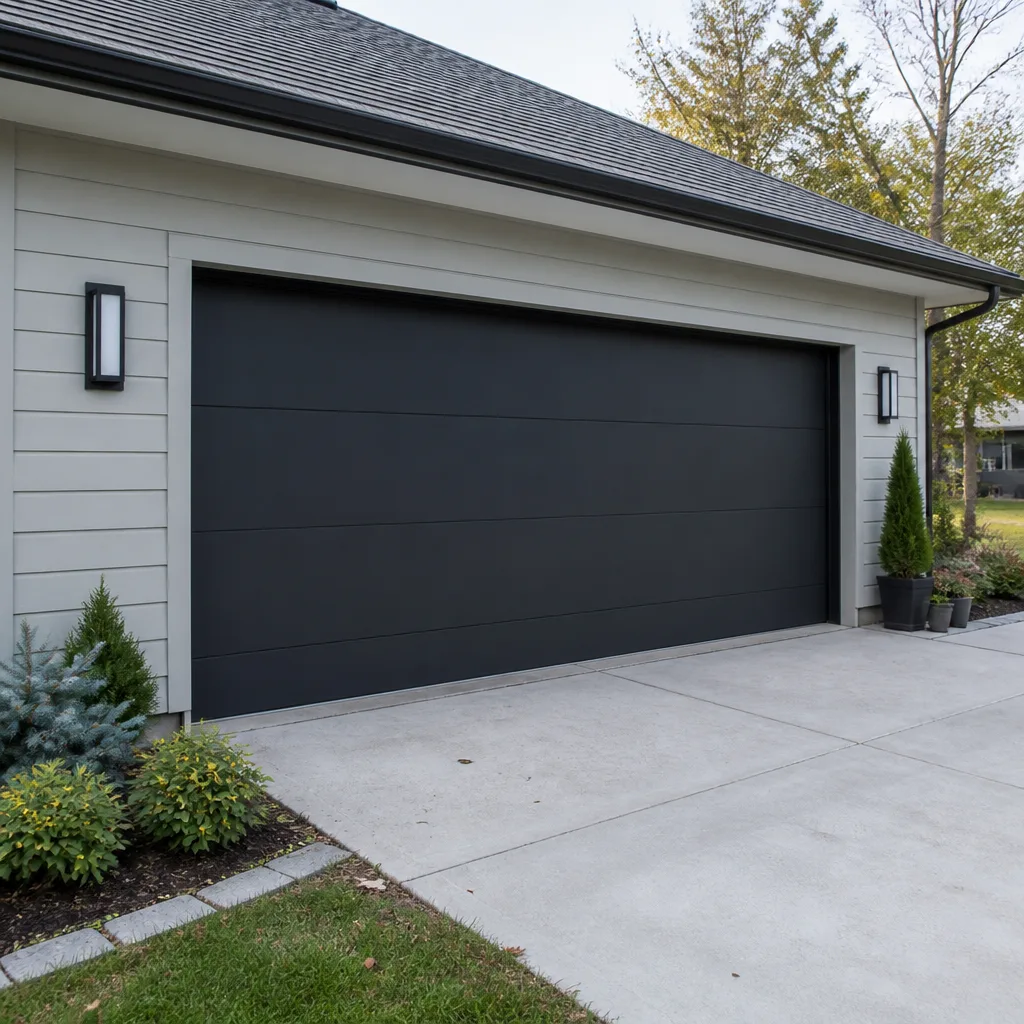 Modern flush
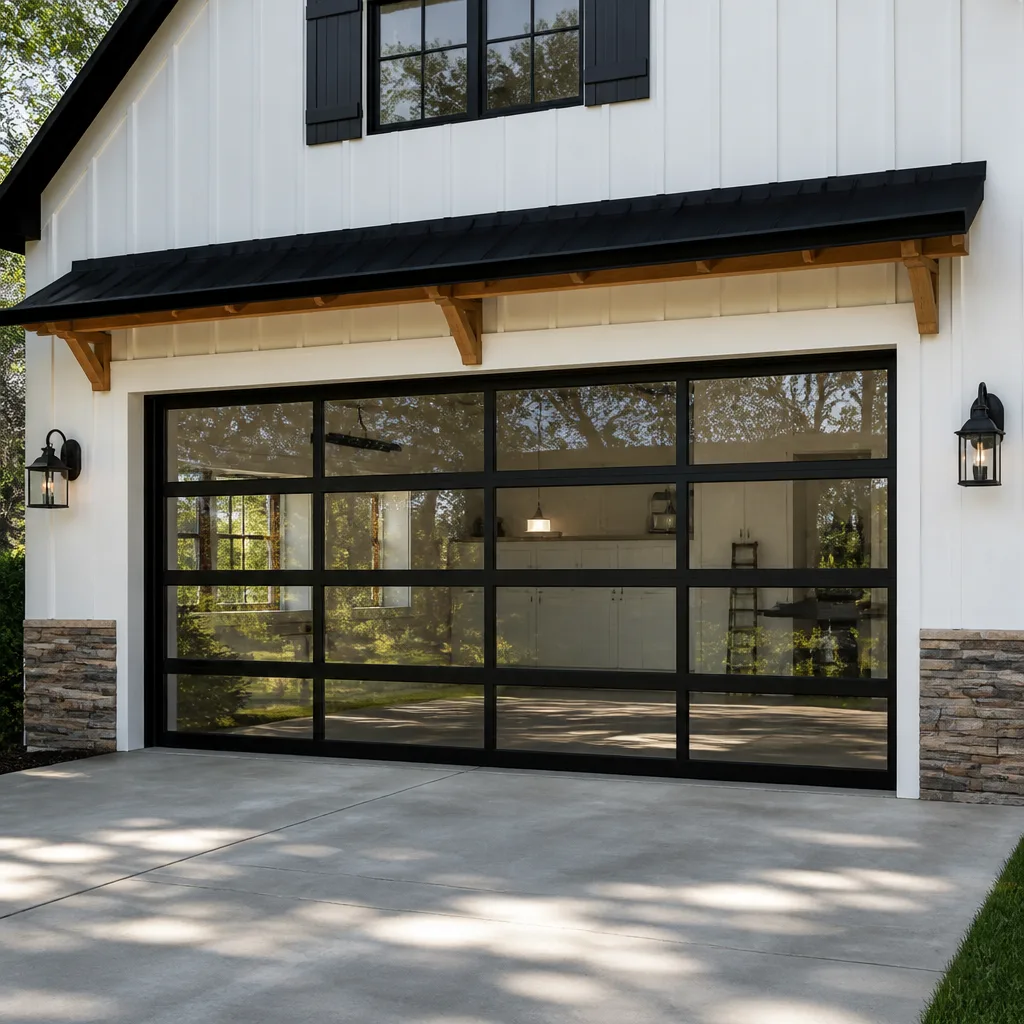 Full-view glass
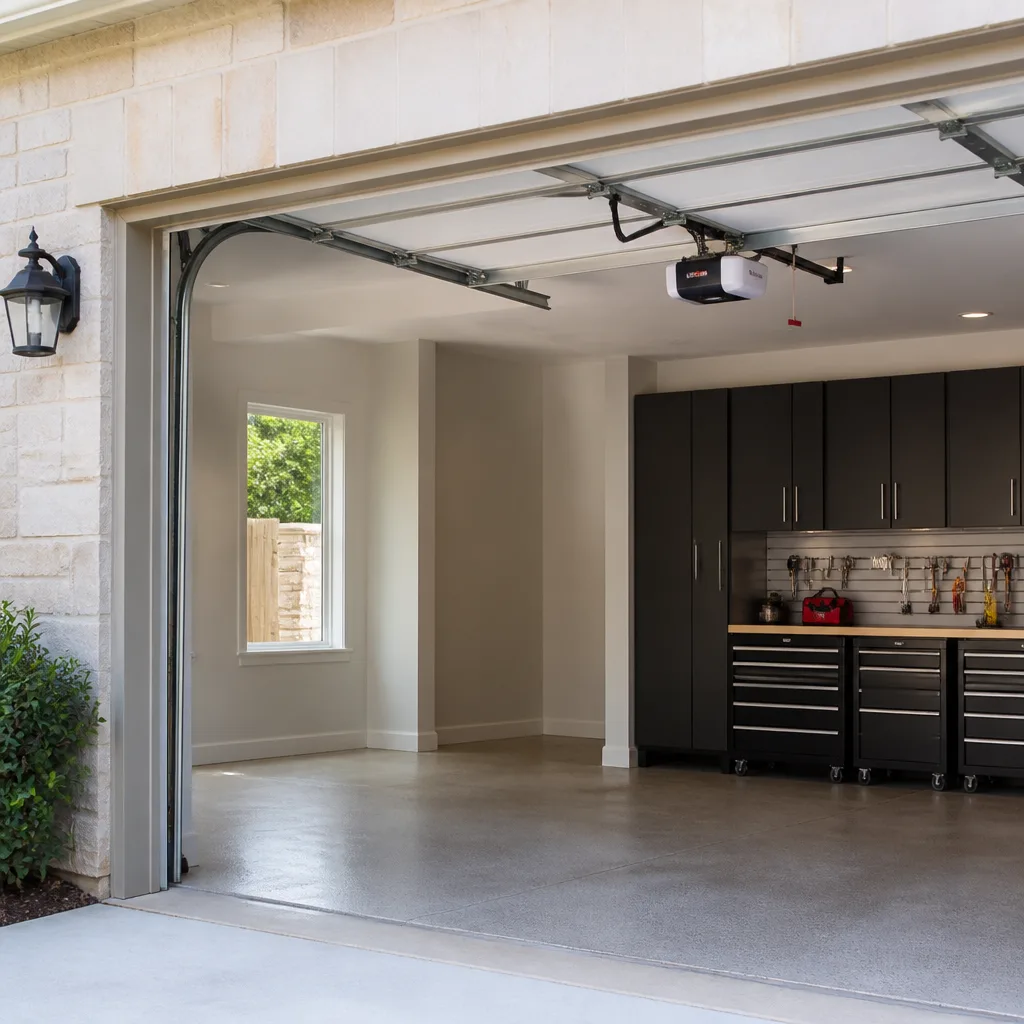 LiftMaster openers
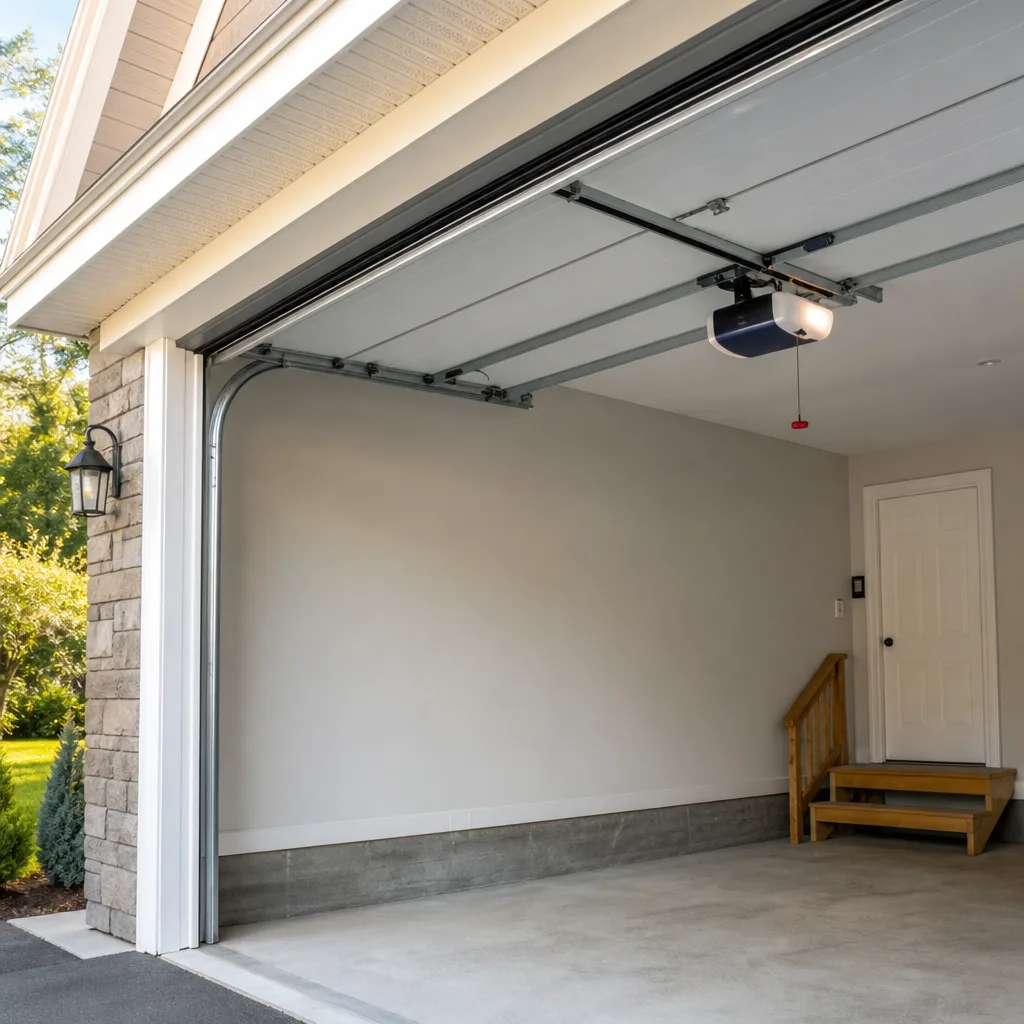 Chamberlain openers
Full 25-point door and opener safety check with every visit - springs, cables, rollers, tracks, and your LiftMaster or Chamberlain opener included
You get a price before we start. It does not change when the truck arrives.
Get your free estimateGarage Door Permits, Codes & Inspections in TX: What You Need to Know
Here’s a counterintuitive fact about San Antonio real estate: most garage door replacements in this city happen without a permit. That’s not because contractors are shady. It’s because most like-for-like swaps genuinely don’t require one. But the moment a homeowner widens an opening, cuts a new door into a wall, or alters the header beam above the opening, a permit becomes mandatory under San Antonio’s City Development Code. Skip it, and the problem rarely shows up tomorrow. It shows up three years later at closing, when a title company or buyer’s inspector flags an unpermitted structural change and your sale stalls. This guide explains exactly where the line is in San Antonio and Bexar County, what a permit actually costs, what inspectors check, and how to fix a permit gap you inherited from a previous owner. For related reading, see our Garage Door Repair Maintenance Checklist for San Antonio Homeowners.
Quick Answer
In San Antonio, a like-for-like garage door replacement, same size, same opening, same structural framing, generally does not require a permit. A permit is required when you create a new door opening, widen an existing one, alter or replace the header beam, or install a door where none existed. Most simple replacements fall under the no-permit category, but structural changes trigger City Development Code review, plan submission, and an inspection. The permit fee is typically under $200, and residential reviews usually take one to three business days.
Styles & brands we work with
Table of Contents
- The Line Between a Replacement and a Structural Change
- San Antonio’s Specific Rule: What the City Development Code Actually Says
- City Limits vs. Unincorporated Bexar County vs. Suburban Municipalities
- What a Garage Door Inspection Actually Checks (And Why It Matters for Insurance)
- The Real Cost and Timeline of a San Antonio Permit
- How to Retroactively Permit Work From a Previous Owner
- HOA Rules on Top of City Code: What San Antonio Neighborhoods Require
- Texas Wind Load Code and Why It Affects San Antonio Garage Doors
The Line Between a Replacement and a Structural Change
The distinction that trips up most San Antonio homeowners comes down to one word: structural. A permit is not about the door. It’s about the hole. If the opening in your wall stays exactly the same size, with the same header beam above it, and you’re simply removing an old door and installing a new one in that existing opening, San Antonio code treats that as a like-for-like replacement. No permit needed. The city’s perspective is rational: the structural load of your house has not changed, so there’s nothing new to review.
The moment the opening changes shape or size, or a new opening appears, the equation flips. A wider garage door means a longer span for the header beam. A longer span carries more load, which can mean a larger beam, different fasteners, or additional framing. That’s a structural modification, and it needs a permit, plans, and an inspection. The same applies when a homeowner cuts a new pedestrian door into a garage wall or converts a window opening into a door opening. In our experience across San Antonio, this is the most common unpermitted modification we see: someone expanded a single-car garage door into a double-car door twenty years ago and never told the city. Learn to spot issues early with our Garage Door Warning Signs: A San Antonio Homeowner’s Reference Guide.
The practical test we tell homeowners: if your new door fits the exact same rough opening as your old door, you’re almost always in the clear. If a saw has to cut framing, a permit is probably in your future.
For a plain replacement that skips the permit entirely, Garage Door Repair in San Antonio starts with a free on-site look at your existing opening and door.
San Antonio’s Specific Rule: What the City Development Code Actually Says
San Antonio operates under the City Development Code, which incorporates the International Residential Code (IRC) and the International Building Code (IBC) for structural work. Within that framework, the city requires building permits for work that “modifies any structural member.” A garage door header is a structural member. So is the framing around the opening. Here’s what that means in plain terms for a San Antonio homeowner.
Replacing a garage door panel, track system, rollers, springs, or opener on an existing door is mechanical and cosmetic work. No permit. That covers what we do most days at Marlow Garage Door Repair San Antonio home base. But the following scenarios do trigger the city’s permit requirement:
- Widening an opening: converting a single door to a double door, or even going from an 8-foot-wide door to a 9-foot-wide door.
- Creating a new door opening: cutting a garage door into a wall that previously didn’t have one.
- Replacing the header beam: even if the opening size stays the same, swapping a compromised or undersized header for a new one is structural work and requires review.
- Adding a second garage door: converting a single-bay garage into a double-bay garage by adding an additional door alongside the existing one.
- Converting a garage to living space: removing the garage door entirely and framing in a wall in its place is a change of use and a structural alteration. That’s a whole different permit process, but it often starts with garage door removal.
One nuance that surprises people: if your existing header is sagging or cracked and you need to replace it, the city wants to review that work even though the door itself isn’t changing. For that kind of job, we’d recommend having the structural work permitted and inspected, then using a Garage Door Spring Repair in San Antonio specialist to get the door itself balanced and running after the framing work is done.
City Limits vs. Unincorporated Bexar County vs. Suburban Municipalities
San Antonio is not one jurisdiction. The rules that apply to a house in Alamo Heights are not the same rules that apply to a house in unincorporated Bexar County. And a house inside San Antonio city limits follows a third set. Here’s how it breaks down.
Inside San Antonio city limits: The City Development Code applies, as described above. Like-for-like replacements don’t need permits. Structural changes do. The Development Services Department handles permits, and plan reviews for simple residential projects are generally quick.
Unincorporated Bexar County: The county does not issue building permits for residential garage doors. But it doesn’t operate in a vacuum. If you live in unincorporated Bexar County and your property falls under a municipal utility district or a floodplain, other rules kick in. And wind load requirements still apply via the state’s adopted codes. The honest answer for county residents: there’s usually no permit authority checking your garage door work, but selling your home later may still raise questions if the work looks nonconforming or unsafe.
Suburban municipalities: Converse, Leon Valley, Universal City, Schertz, Selma, and other incorporated cities around San Antonio each have their own permitting departments. Most follow the same IRC-based standard as San Antonio, but their enforcement style and fee schedules differ. Leon Valley, for example, is known among local builders for a more deliberate plan review process than some of its neighbors. Universal City is more aligned with San Antonio’s approach. If you live in any of these smaller cities, call their building department and ask one question: “Does a like-for-like garage door replacement require a permit here?” The answer is almost always no, but the only answer that matters is the one that comes from the department that would inspect you.
What’s true everywhere in Texas: structural work without a permit creates a disclosure problem when you sell. A seller’s disclosure asks whether any renovations were done without required permits. Answering honestly can scare a buyer. Answering dishonestly opens you to legal exposure after closing. The permit is insurance for your future sale.
What a Garage Door Inspection Actually Checks (And Why It Matters for Insurance)
An inspection isn’t the city being bureaucratic. It’s a second set of eyes on work that affects how your house handles wind, weight, and time. Here’s what a San Antonio garage door inspection actually looks at when structural work has been permitted.
- Header size and bearing: The inspector verifies that the beam above the opening is sized correctly for the new span. Undersized headers sag over time and cause cracks in drywall, sticking doors, and eventual structural problems.
- Connection details: How the header attaches to the vertical framing matters. Improper fastening is a common DIY mistake that fails inspection and can fail under load.
- Flashing and weatherproofing: Around any new opening, the inspector checks that water can’t find its way behind the siding or into the wall cavity.
- Door installation: For new openings or width changes, the inspector confirms the door is anchored properly and meets wind load requirements for Bexar County.
- Safety features: If an opener is installed as part of the project, the reversing mechanism and sensor placement get checked.
The insurance angle is the one most people don’t consider until it’s too late. If you widen a garage door without a permit and a storm later rips the door off its track and damages your roof, your insurer has a potential basis to deny the claim: unpermitted structural modification. We’ve watched enough San Antonio hail and wind events to know that’s not a hypothetical. The inspection is the paper trail that says your house was modified correctly. That paper trail is worth far more than the permit fee.
When we handle Garage Door Cable Repair in San Antonio jobs, we routinely see doors that were installed without proper anchoring. The cable failures and track damage usually trace back to an installation that skipped inspection.
The Real Cost and Timeline of a San Antonio Permit
Here’s where a lot of contractors mislead homeowners, and we want to correct the record. Some contractors tell clients that pulling a permit “adds weeks and hundreds of dollars.” That’s an exaggeration designed to make their job easier and your closing harder.
The actual residential building permit fee in San Antonio for a structural garage door modification is typically between $100 and $200. The exact number depends on the valuation of the work declared on the application. For a header replacement or a modest opening widening, you’re at the low end. For a full new opening with engineering, you’re at the high end. Compared to the cost of the construction work itself, which often runs $2,000 to $8,000 or more, the permit is a rounding error.
Timeline is similarly modest. A simple residential plan review in San Antonio typically takes one to three business days. Some over-the-counter permits for very simple work can be approved the same day. The inspection is scheduled after the work is complete, and residential inspections are usually available within a day or two. The whole permit process adds a week to a project at most. That’s not weeks. That’s a week. And the tradeoff is a permanent record that your home was modified legally.
The table below summarizes the realistic numbers:
- Like-for-like door replacement: $0 permit fee, $0 inspection, no review time. This is the no-permit category.
- Header replacement, same opening: roughly $100-$150 permit fee, 1-3 day review, 1 inspection visit.
- Opening width change (e.g., 8 ft to 9 ft): roughly $150-$200 permit fee, 2-4 day review, 1-2 inspections.
- New door opening in existing wall: roughly $150-$200 permit fee plus possible engineering review, 3-7 days total, 2 inspections.
How to Retroactively Permit Work From a Previous Owner
Buying a house in San Antonio and discovered the previous owner widened the garage door without a permit? You’re not stuck, and you’re not automatically in violation. The city has a process for this, and it’s more common than most realtors admit.
The process is called retroactive permitting or after-the-fact permitting. Here’s the sequence:
- Document what exists: Measure the opening, photograph the header if visible, note the door size and type. If you can see the framing in the attic above the garage, photograph that too.
- Contact Development Services: Explain that you’ve inherited an unpermitted modification and want to bring it into compliance. The city’s staff has heard this hundreds of times and generally prefers to help you get legal over punishing you.
- Submit the application: You’ll file the same permit application a contractor would have filed originally. You may need a simple drawing or a contractor’s description of the existing work.
- Schedule the inspection: An inspector comes out to verify the existing work meets code. If the header was sized correctly and the connections are sound, you pass. If not, the inspector tells you what needs fixing.
- Get the final sign-off: Once passed, the permit is closed and your house has a clean record.
In our experience, most retroactive permits in San Antonio pass inspection because the failure was procedural (no permit was pulled), not structural (the work was actually done correctly). The previous owner skipped the paperwork, not the engineering. That said, when the work fails, it usually fails on header size or anchoring, and the fix is real but manageable.
The time to do this is before you list your house, not during a transaction. A buyer’s inspector will likely flag an obviously modified opening. If you can hand the buyer a closed permit, the issue disappears. If you can’t, you’re negotiating a price reduction or scrambling to close the permit while the clock runs on your contract.
HOA Rules on Top of City Code: What San Antonio Neighborhoods Require
City code is the floor, not the ceiling. In San Antonio, many of the newer subdivisions in areas like Stone Oak, Alamo Ranch, Cibolo Canyons, and The Dominion have HOA architectural control committees that go beyond what the city requires. The city says a like-for-like replacement needs no permit. Your HOA may still say you need written approval before the new door goes in.
Common HOA requirements we see in San Antonio:
- Material and color approval: Many associations restrict garage door colors to a pre-approved palette, or require wood-look doors to match the neighborhood aesthetic. A Clopay or Amarr steel door in the wrong color can trigger a violation letter.
- Style consistency: Some associations require carriage-house style doors or prohibit certain window patterns. If your neighbor’s door has no windows, yours may not be allowed to either.
- Replacement timing: A few HOAs in San Antonio require that a damaged or nonfunctional door be replaced within a certain timeframe, usually 30 to 90 days, to maintain curb appeal.
- Prior written approval: The most common requirement. Submit a photo of the proposed door and the spec sheet, wait for the architectural committee to sign off, then install.
The HOA process is separate from any city, county, or permit consideration. You could have a door that’s perfectly compliant with city code and still get a violation letter from your HOA. If you’re in an HOA community, ask for the architectural guidelines before you order a door. A five-minute conversation with the management company saves you from replacing a perfectly good door because it’s the wrong shade of brown.
Texas Wind Load Code and Why It Affects San Antonio Garage Doors
San Antonio sits far enough inland that most homeowners don’t think about wind. That’s a mistake. Bexar County is in a wind zone that the IRC classifies as requiring specific design considerations for openings. Garage doors are the largest single opening in most homes, and they’re surprisingly vulnerable to wind pressure. A door that bows inward under wind load can transfer that pressure into the roof structure, which is how a garage door failure becomes a roof failure during a serious storm.
Texas adopted wind load requirements make two things mandatory for new or replacement garage doors in San Antonio:
- Wind-rated door: The door itself must be rated for the design wind speed in this area. This isn’t a coastal requirement. It applies across Bexar County.
- Proper anchoring: The track system and mounting hardware must anchor into framing that can transfer the wind load. This is one of the things an inspector verifies when a structural permit is pulled.
The good news: major manufacturers including Wayne Dalton, Genie, and Clopay build wind-rated doors as standard on most of their product lines now. You rarely pay extra for a wind-rated door; you just need to make sure the one you’re buying is rated and that the installer anchors it correctly. A door that meets wind code but is anchored with three screws into the drywall isn’t going to perform when it matters.
For any replacement, whether or not a permit is involved, this is a reason to use an installer who actually understands San Antonio’s local conditions and code requirements rather than the lowest bidder who may be driving in from out of town.
Common Mistakes to Avoid
- Assuming no permit means no rules: A like-for-like replacement may skip the city permit, but it still has to meet wind code, HOA rules, and basic safety standards. No permit is not a free pass.
- Trusting a contractor who says “don’t worry about permits”: A contractor who says this is prioritizing their schedule over your closing. Pull the permit. The delay is about a week.
- Widening a door without an engineer’s input: Longer spans need larger headers, and guessing at sizing is how you end up with a cracked wall and a door that sticks. In San Antonio’s clay-heavy soil, minor foundation movement makes undersized headers fail faster.
- Waiting until closing to address a permit gap: If you know a previous owner made an unpermitted change, fix it before you list. The negotiation after a buyer’s inspector flags it will cost you more than the permit ever would have.
- Forgetting the HOA: City and HOA are separate approvals. Getting one doesn’t satisfy the other. Check both before ordering a door.
- Ignoring wind load anchoring: This is a San Antonio-specific risk. A door that isn’t anchored into framing properly can detach during a severe thunderstorm or the occasional spiral that touches down on the northwest side.
- Hiring out-of-town installers who don’t know Bexar County: Local code knowledge matters. Someone unfamiliar with San Antonio’s permit process and wind requirements may do work that passes visually but fails structurally.
See the difference
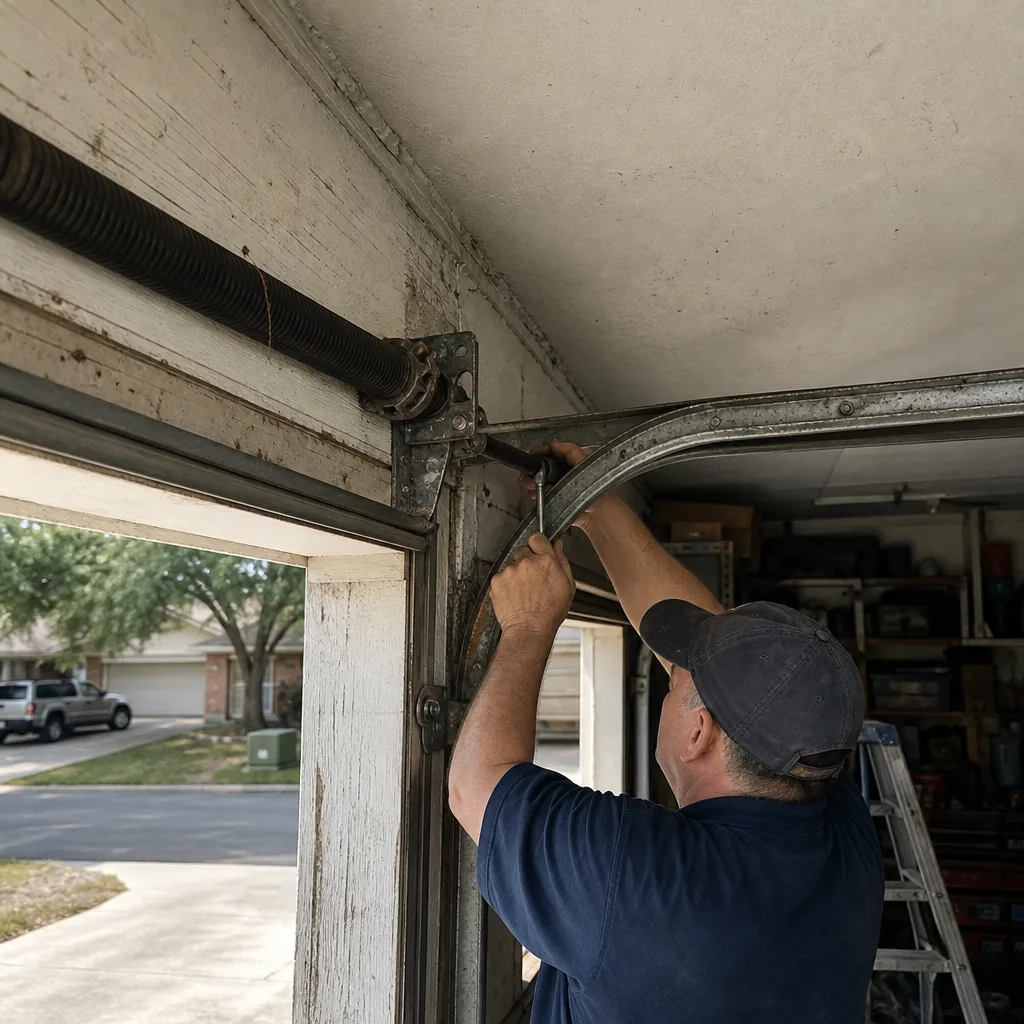 Before
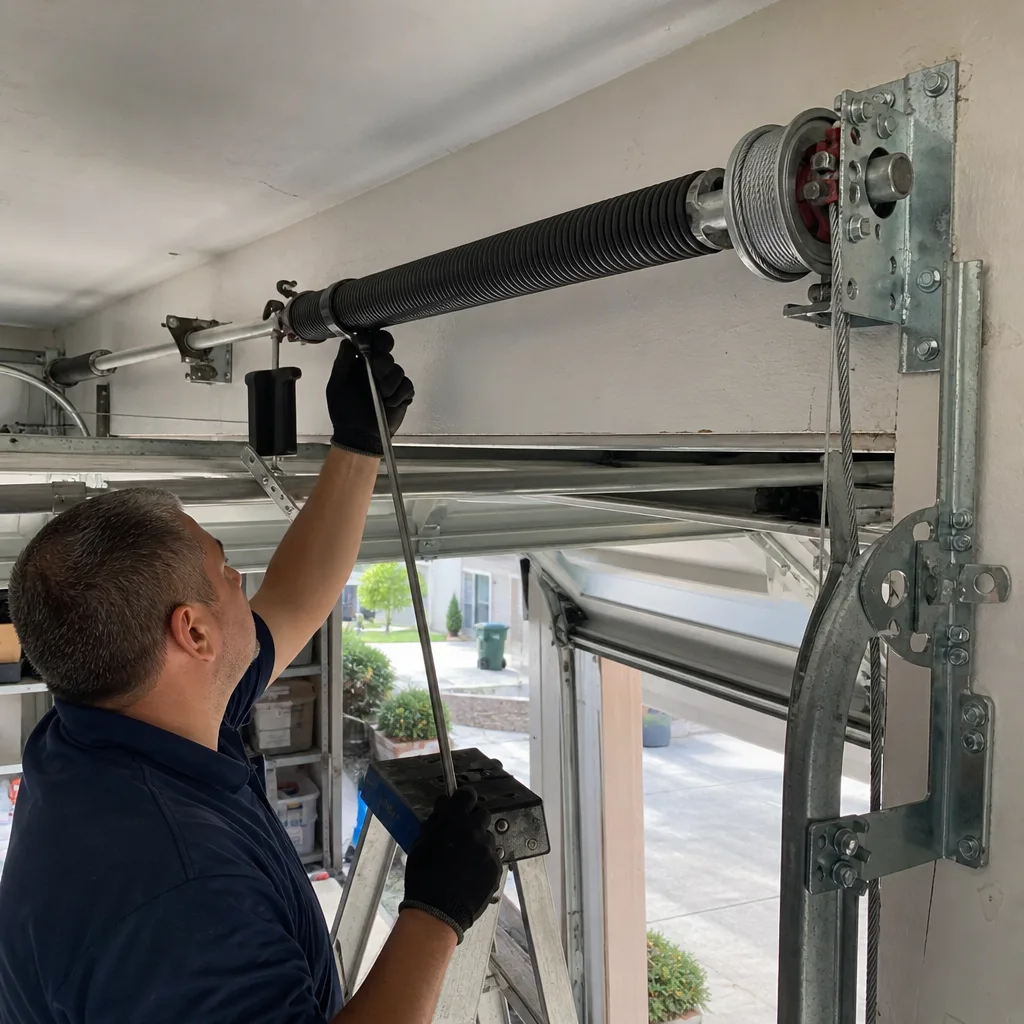 After
After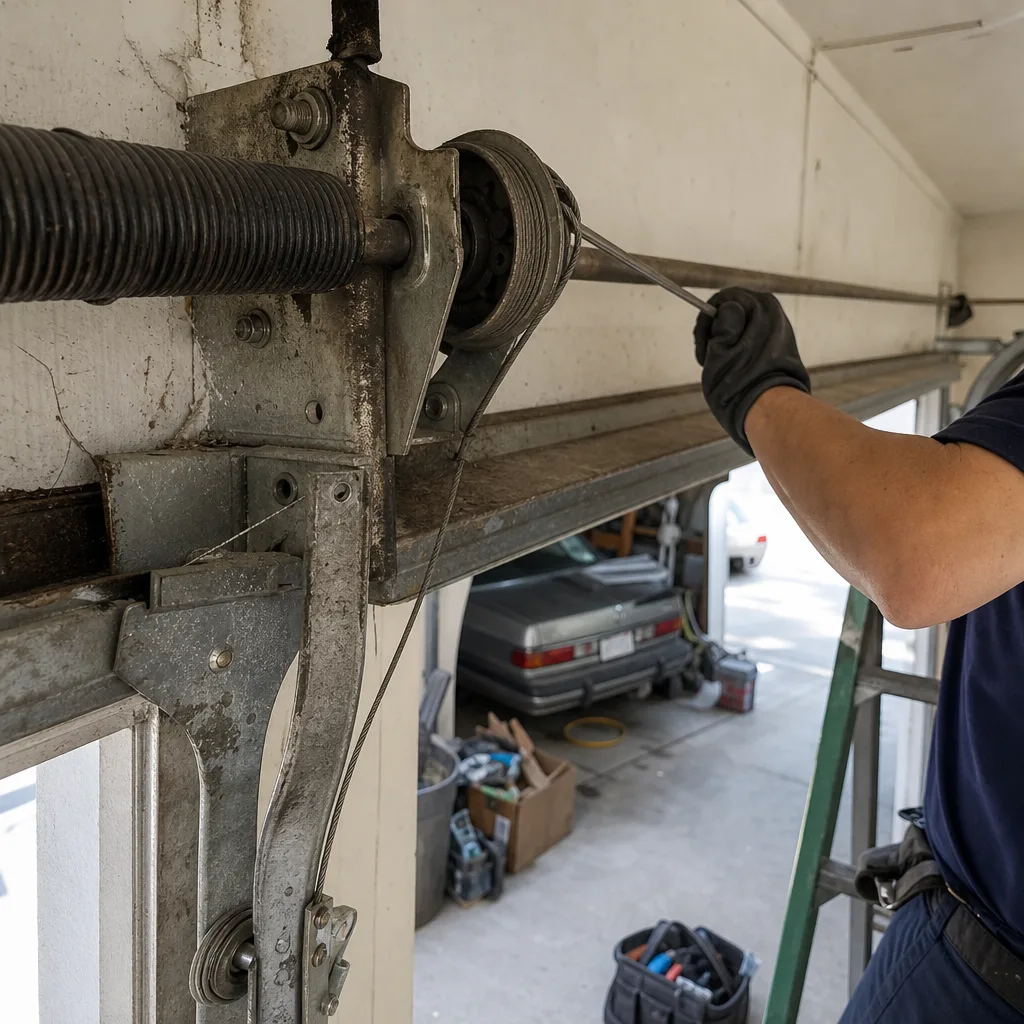 Before
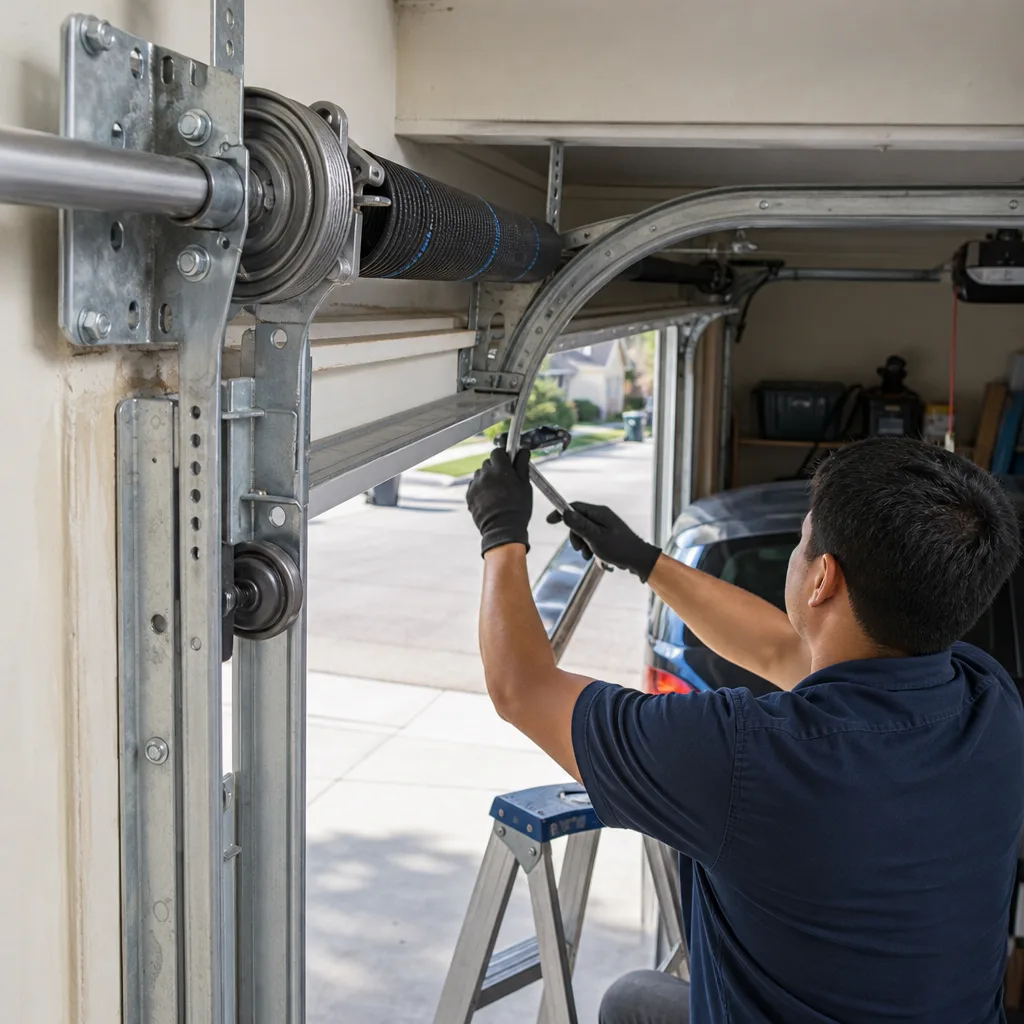 After
After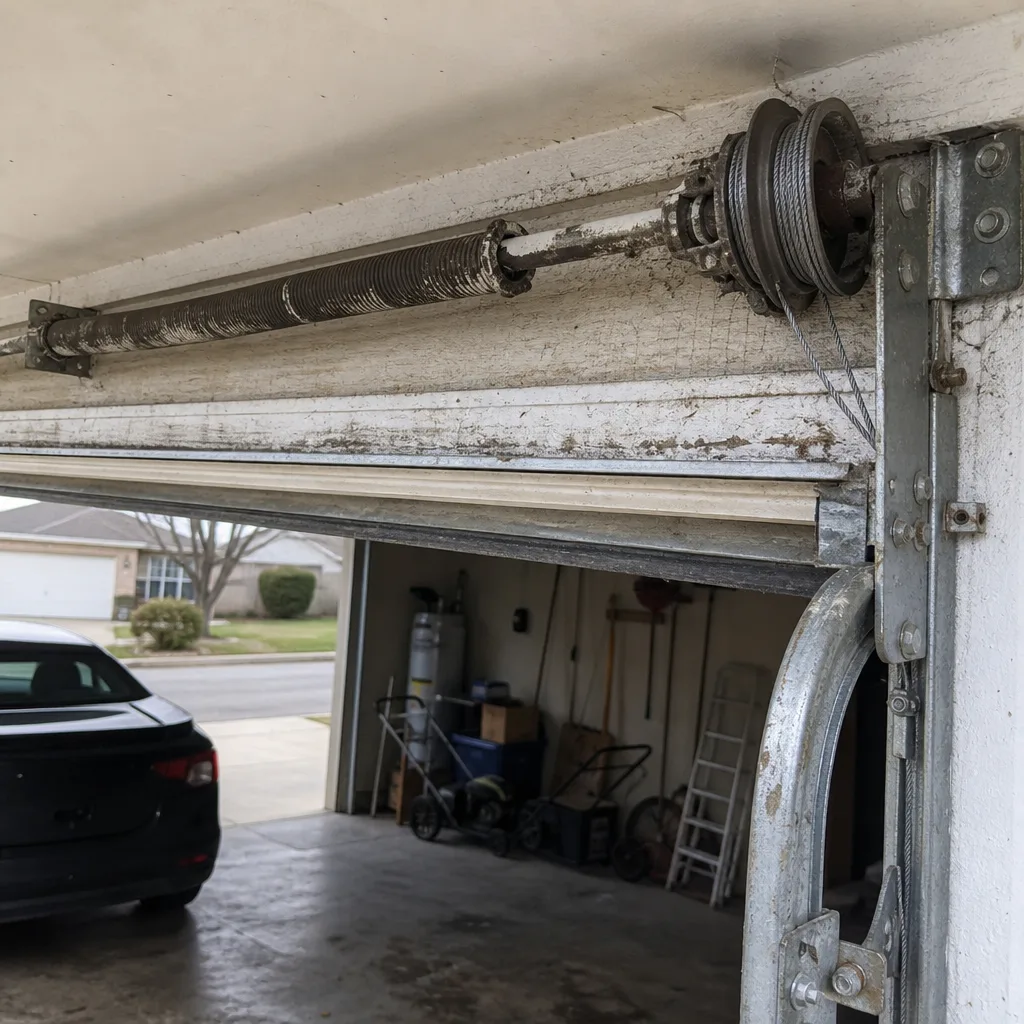 Before
 After
AfterWhen to Call a Professional
Some garage door work is genuinely safe for a handy homeowner: lubricating rollers, tightening visible hardware, replacing weatherstripping. But permanent structural work is not the place to learn. If your project involves widening an opening, replacing a header, cutting framing, or any work that changes how load moves through your wall, call someone who does this professionally. Our How to Hire a Garage Door Contractor in San Antonio: A Step-by-Step Guide walks you through the selection process. You’re not just buying labor; you’re buying the knowledge of where the code line is, what the inspector will look for, and how to do the work so it passes the first time.
Marlow Garage Door Repair San Antonio offers free estimates in San Antonio on door replacements, including guidance on whether your project needs a permit. Call (361) 314-2738 for a free estimate.
Frequently Asked Questions
No, not if you’re replacing the door with the same size door in the same opening without changing the framing. Like-for-like replacements, including the door, tracks, springs, and opener, are exempt from San Antonio’s permit requirement. A permit becomes necessary only when the opening size changes or new structural work is involved.
You have an unpermitted structural modification on your property. The immediate risk is low: the city doesn’t go door to door looking for code violations. The real risk appears when you sell, refinance, or file an insurance claim, at which point the unpermitted work gets flagged and may complicate the transaction. You can resolve it through a retroactive permit process, which is straightforward and relatively inexpensive. Call (361) 314-2738 for a free estimate and guidance.
A residential structural permit for garage door work in San Antonio typically costs between $100 and $200, depending on the valuation of the work. That’s a fraction of the construction cost and buys you a permanent compliance record with the city.
Simple residential plan reviews are usually approved in one to three business days. Inspections can be scheduled within a day or two after the work is complete. The whole process adds about a week to a project, not the “weeks” that some contractors claim.
HOA rules run parallel to city code. Your city permit confirms the structural and safety work meets Bexar County standards. Your HOA approval confirms the door’s appearance matches neighborhood standards. You need both, and neither one substitutes for the other. Call (361) 314-2738 for help figuring out what applies to your house.
Yes. San Antonio’s Development Services Department processes after-the-fact permits for unpermitted work. The process involves documenting the existing modification, submitting an application, and scheduling an inspection. Most retroactive permits pass if the structural work was done correctly and only the paperwork was missing.
The Bottom Line
Most garage door replacements in San Antonio don’t need a permit, and that’s by design: the city doesn’t want to review work that doesn’t change how your house handles load. But the moment you change the opening, the rules activate, and skipping them costs more in the long run than the permit ever would. The permit fee is low, the timeline is short, and the benefit is permanent: a house with a clean compliance record that sells without a title company hiccup. If you’re unsure whether your project needs a permit, ask. The question takes thirty seconds. The answer might save you a sale. Browse more guides & resources from our team.
Written by Jaylen Ross, Owner at Marlow Garage Door Repair San Antonio, serving San Antonio since 2002.